Crossing Cultures collaborative exhibition O’DA Art & KFP: Soji Adesina, Jonah Bulus, Damien Davis, Turiya Magadlela, Samuel Nnorom, Afeez Onakoya, Dana Robinson & Deborah Segun
Kates-Ferri Projects 561 Grand Street, NYC. May 8 - June 7, 2026
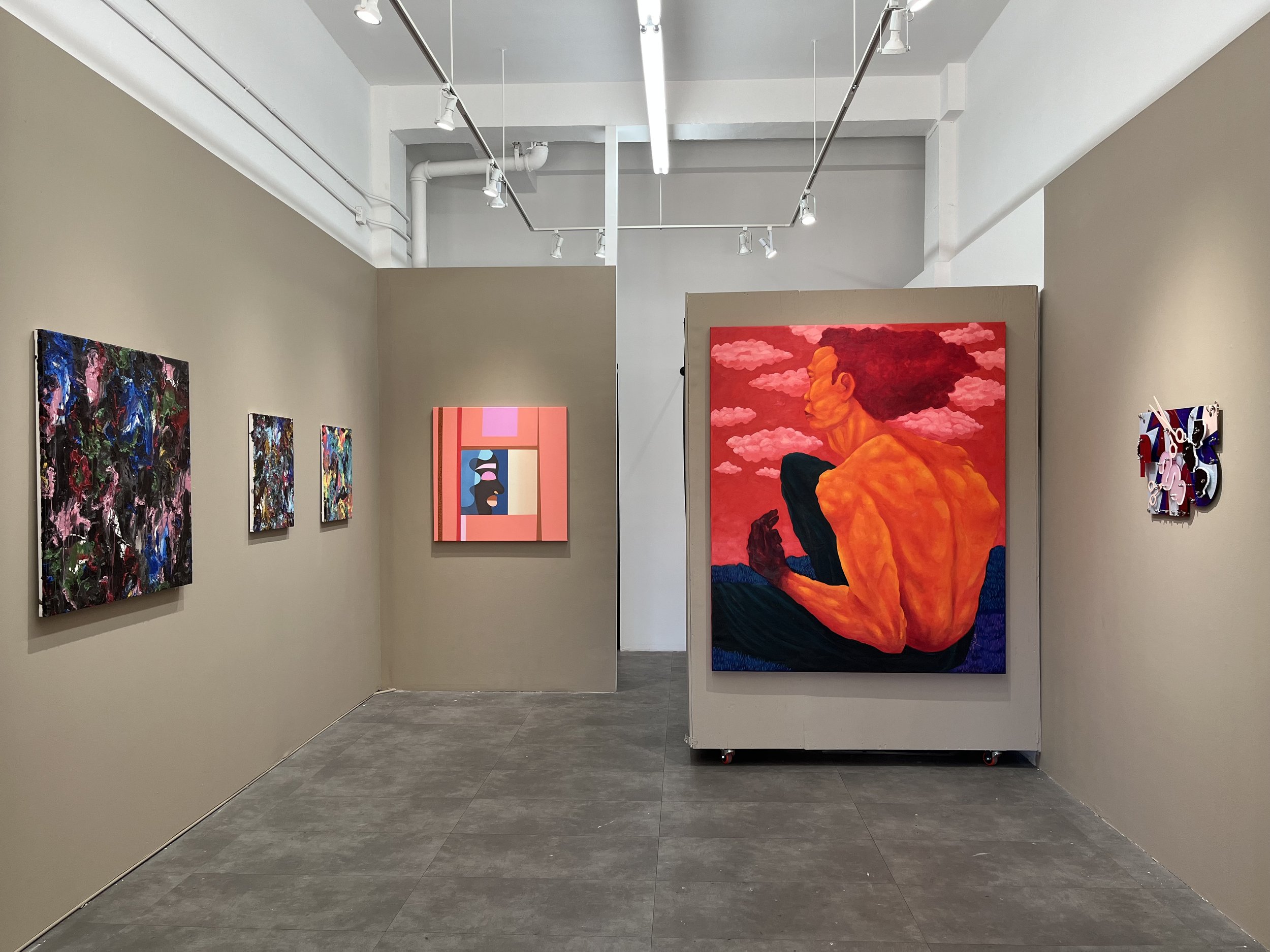
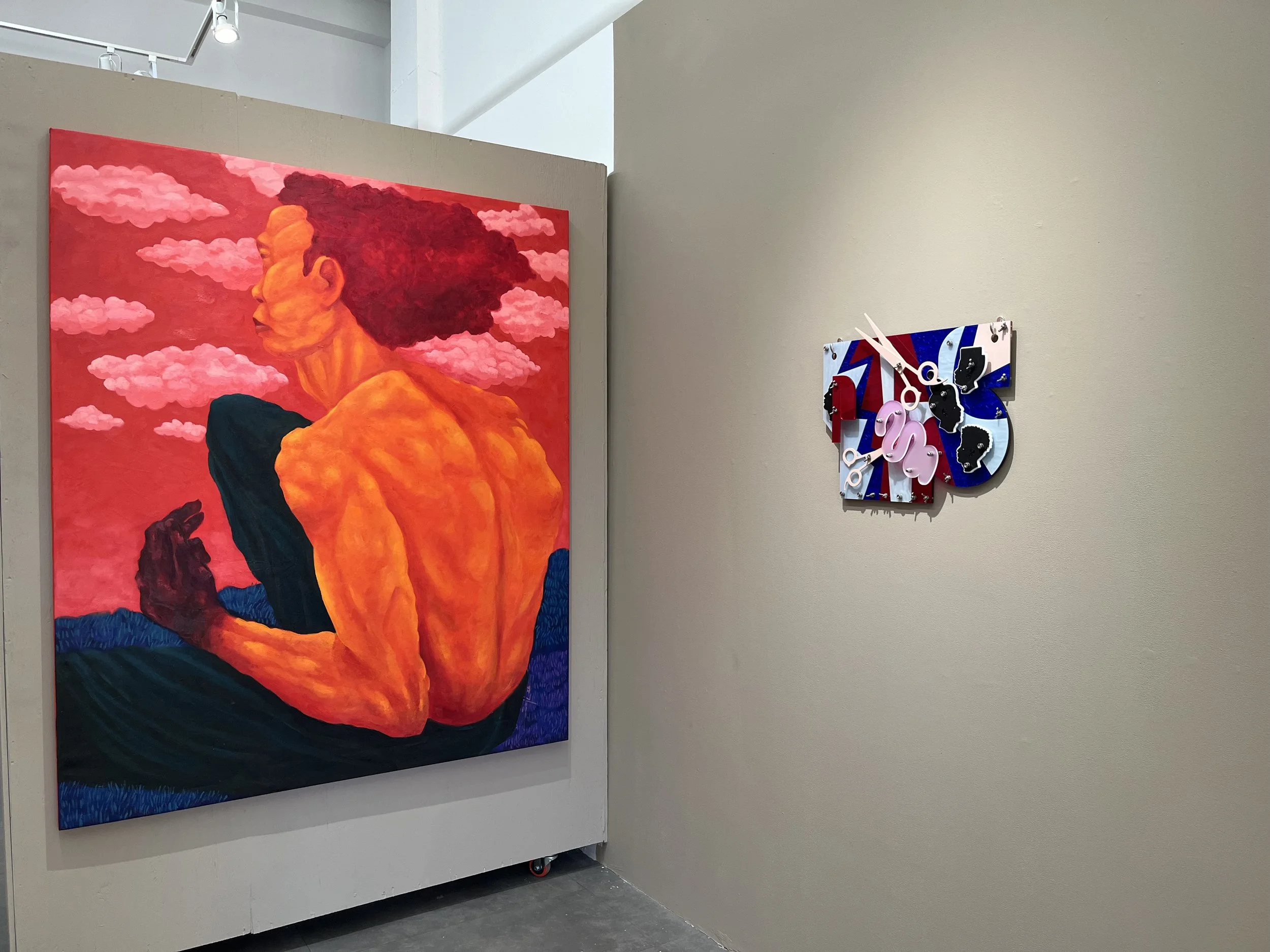
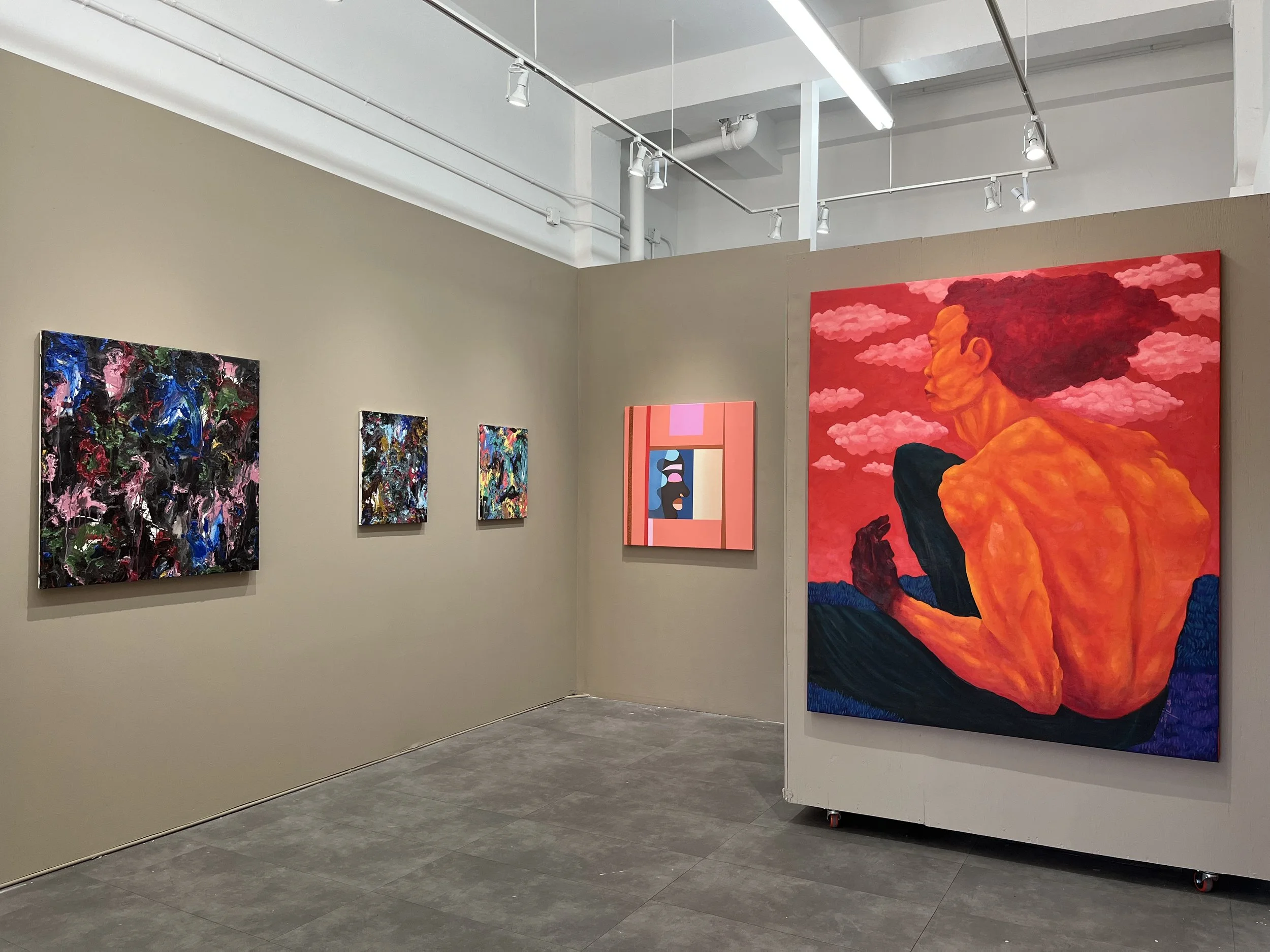
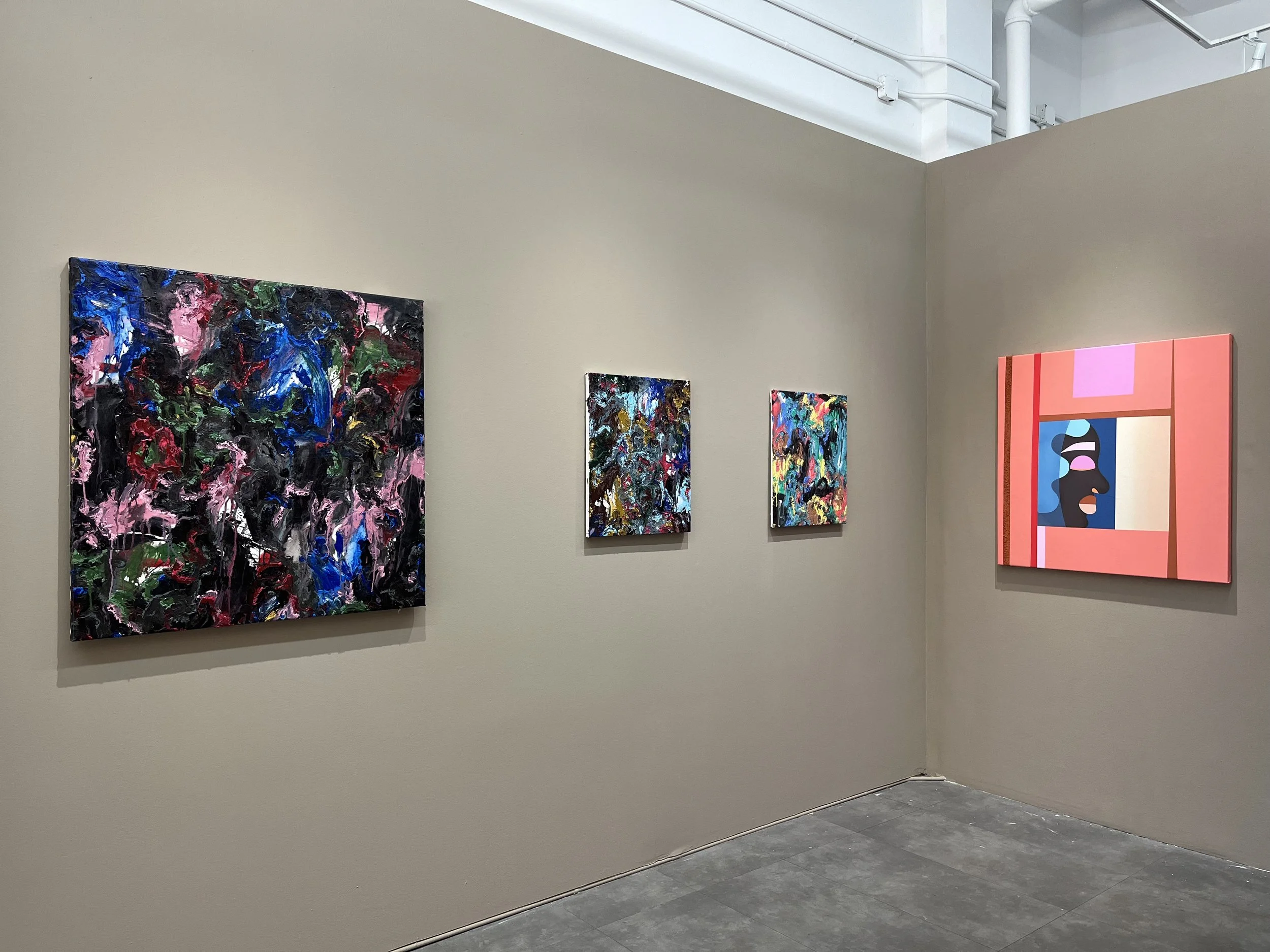
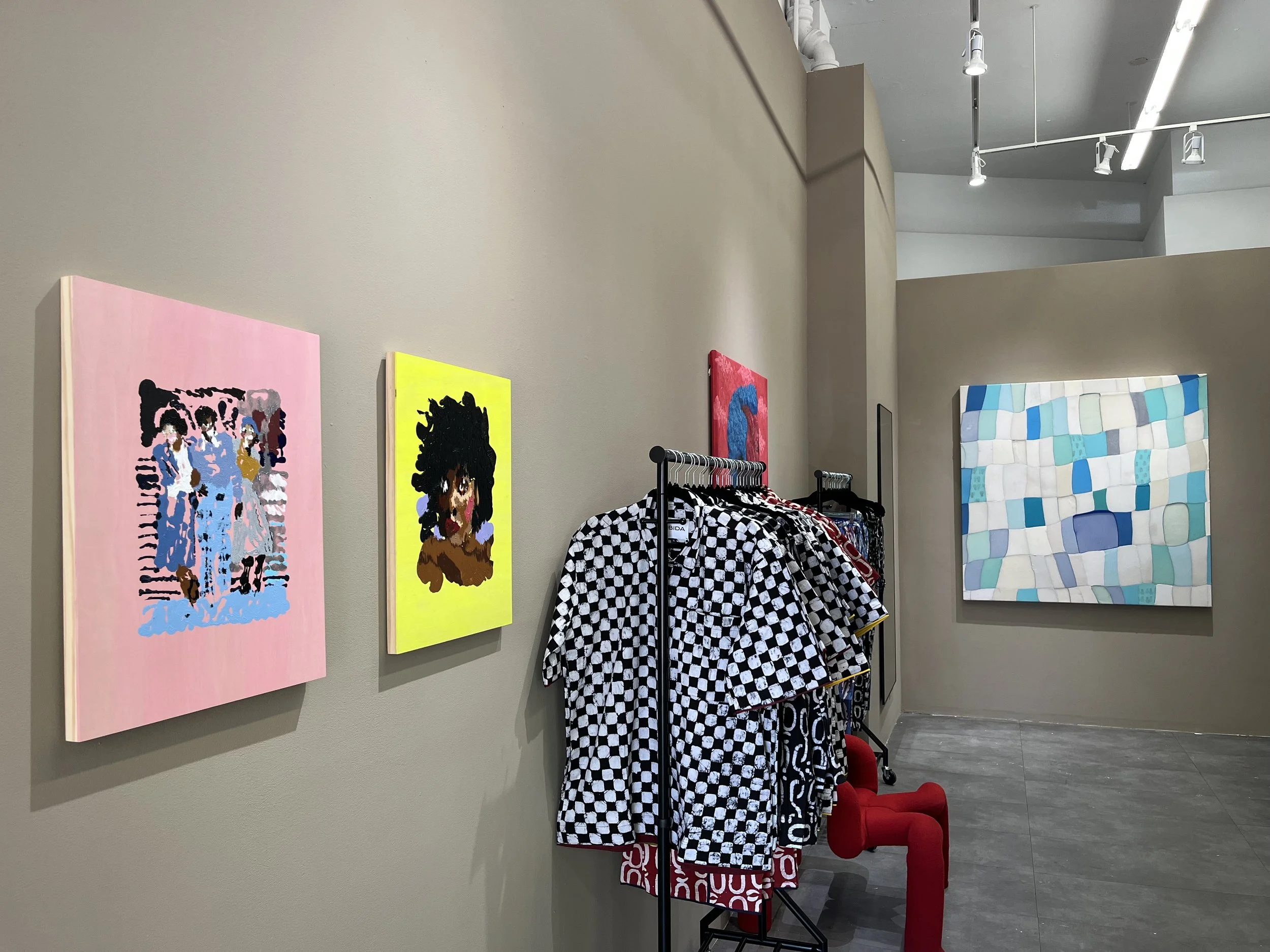
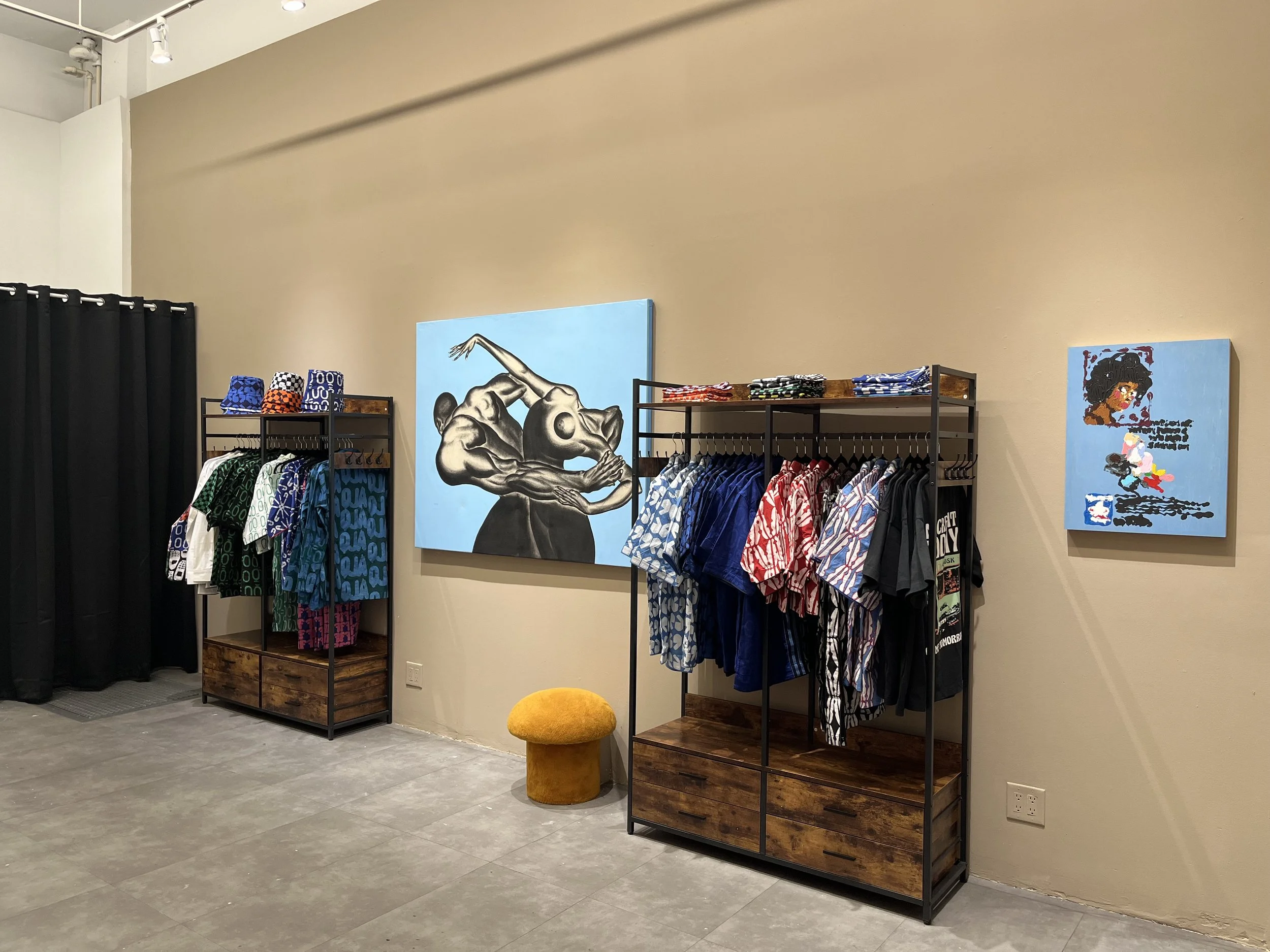
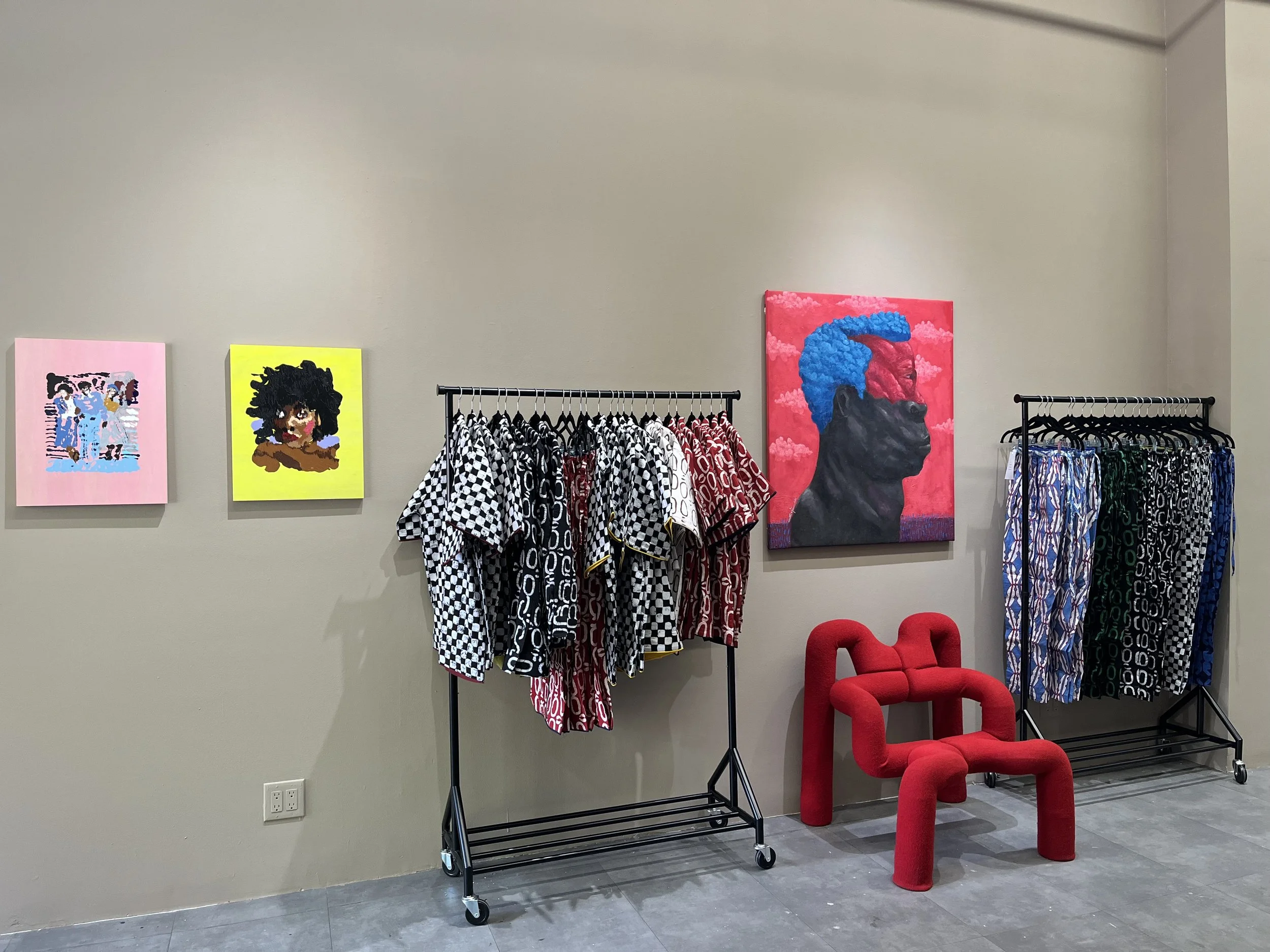
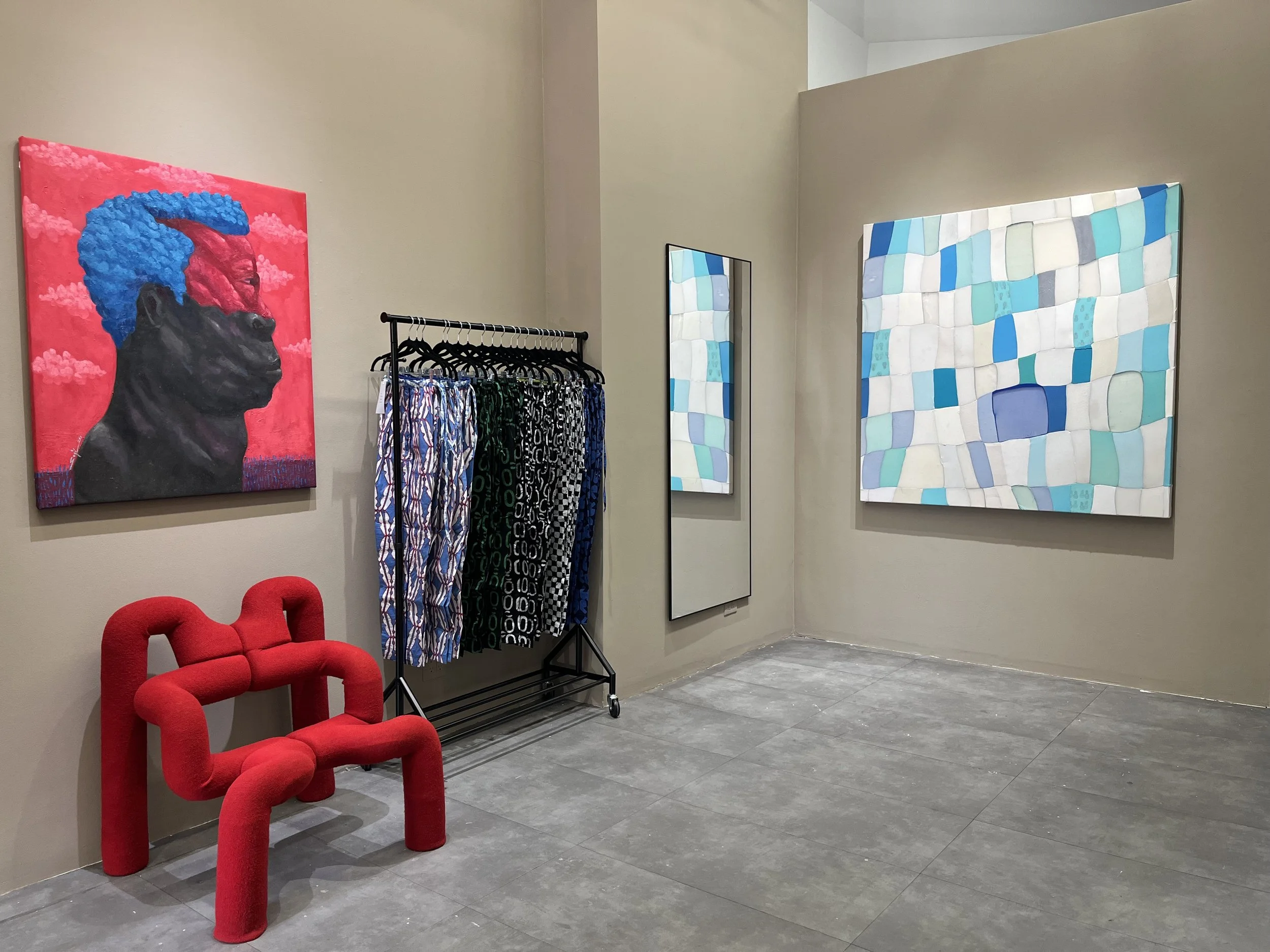
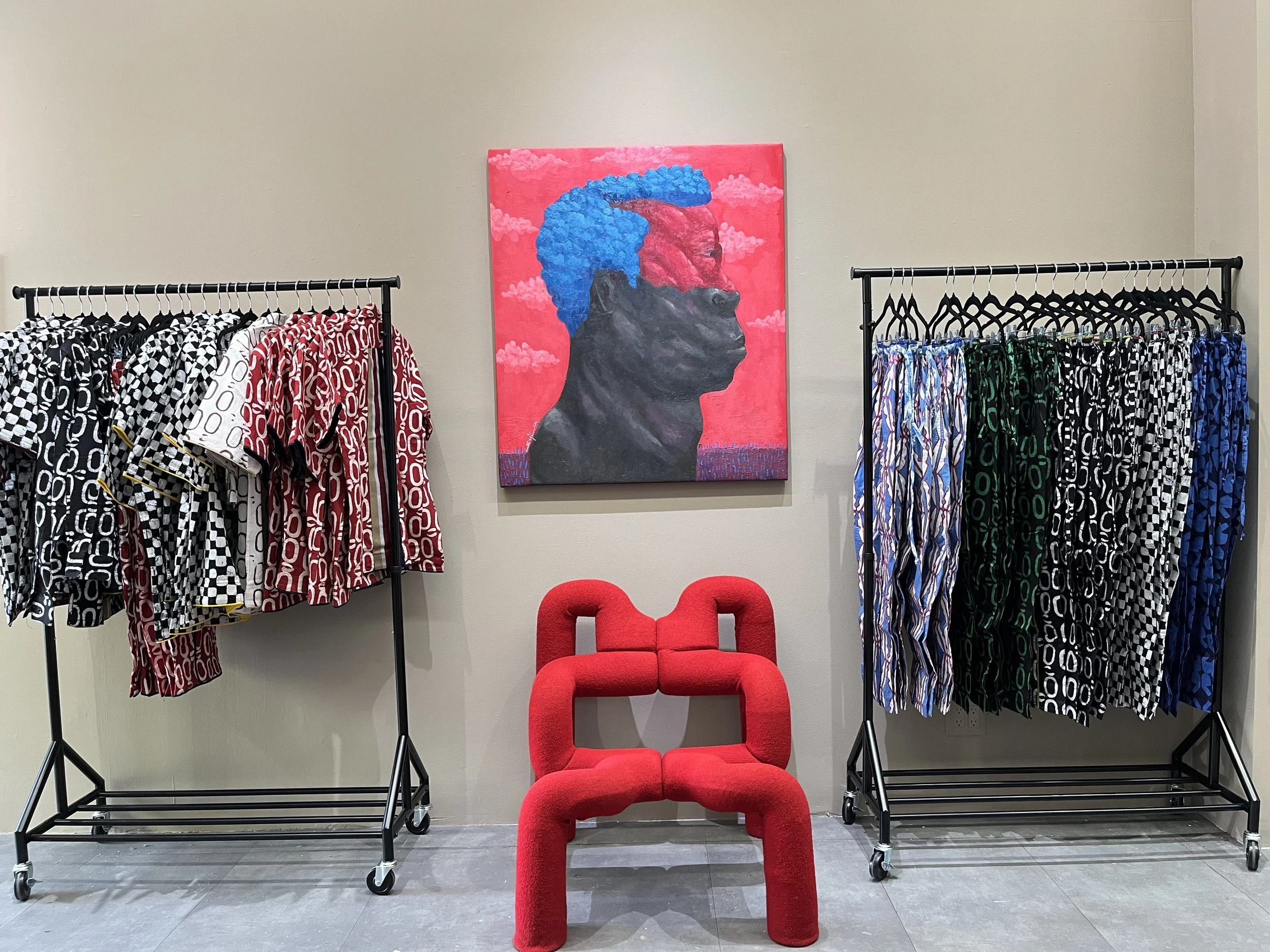
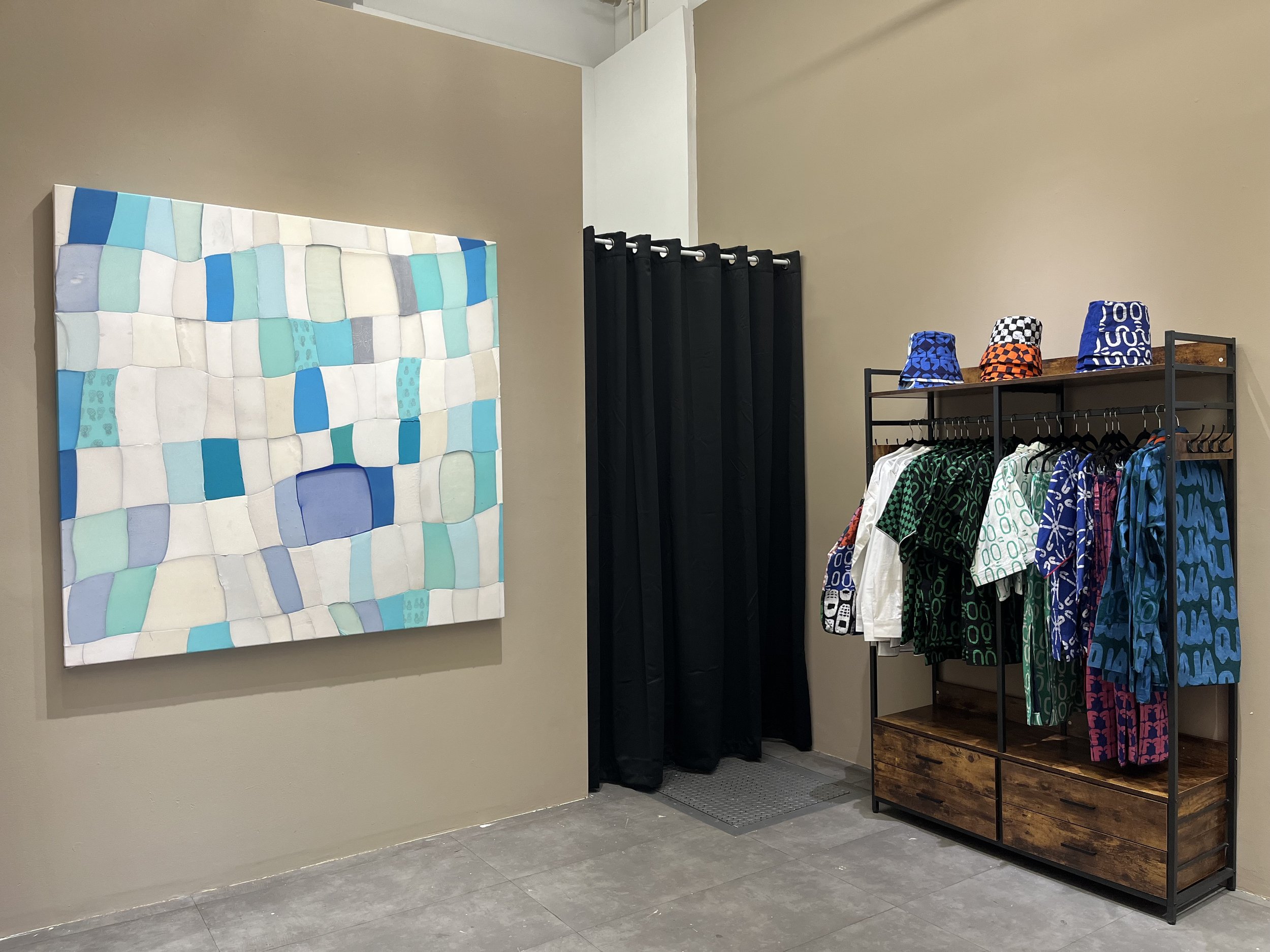
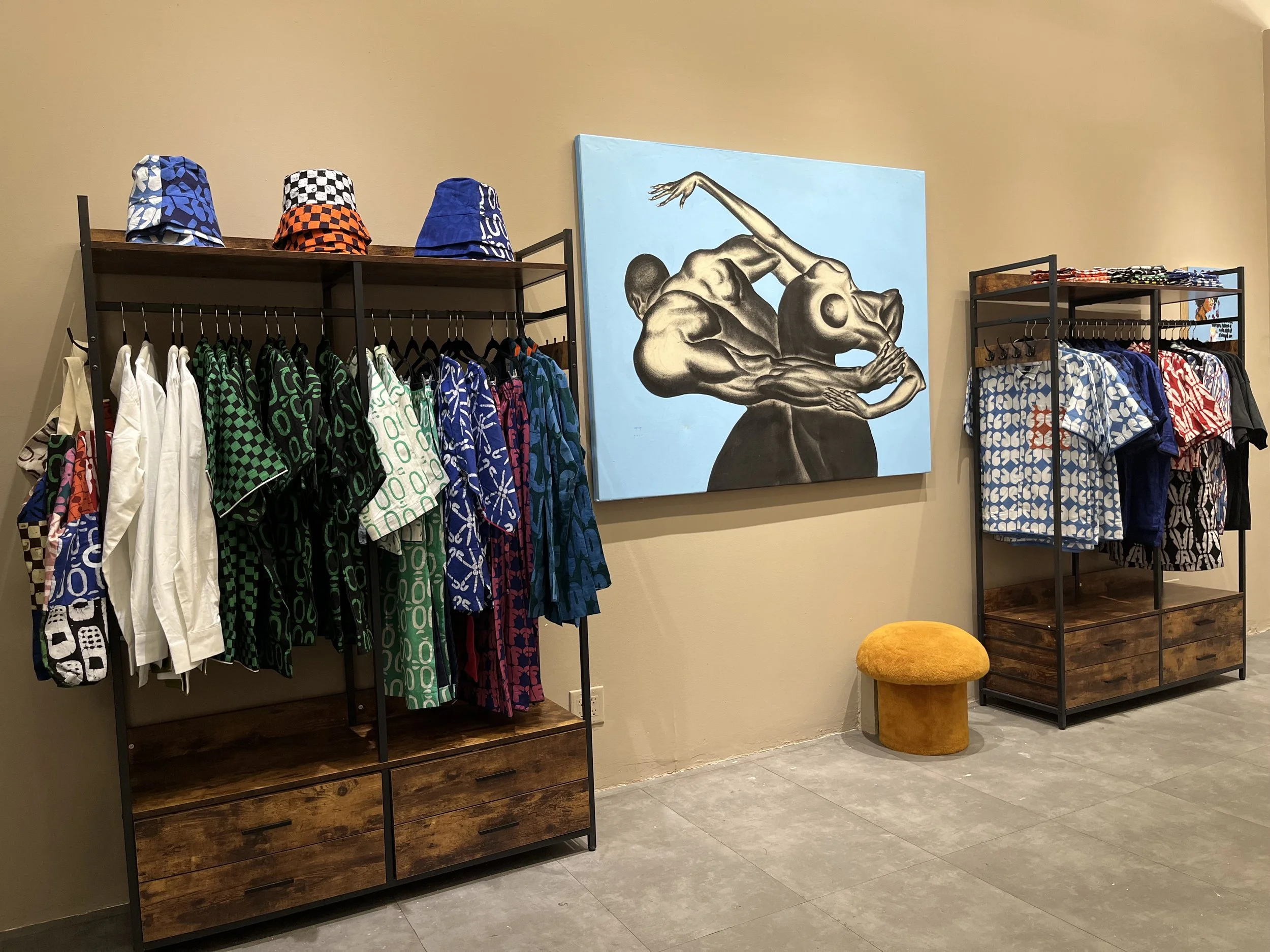
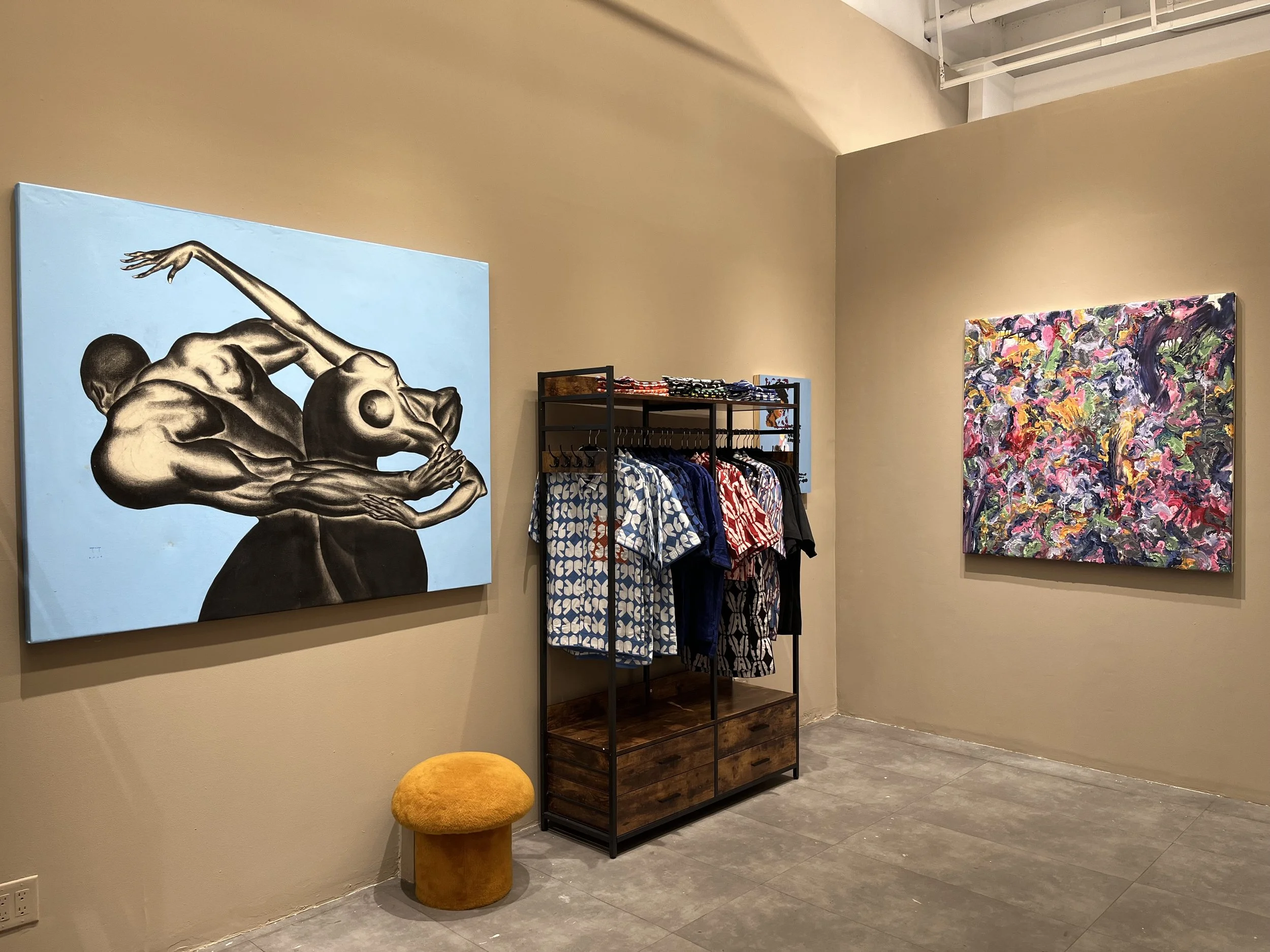
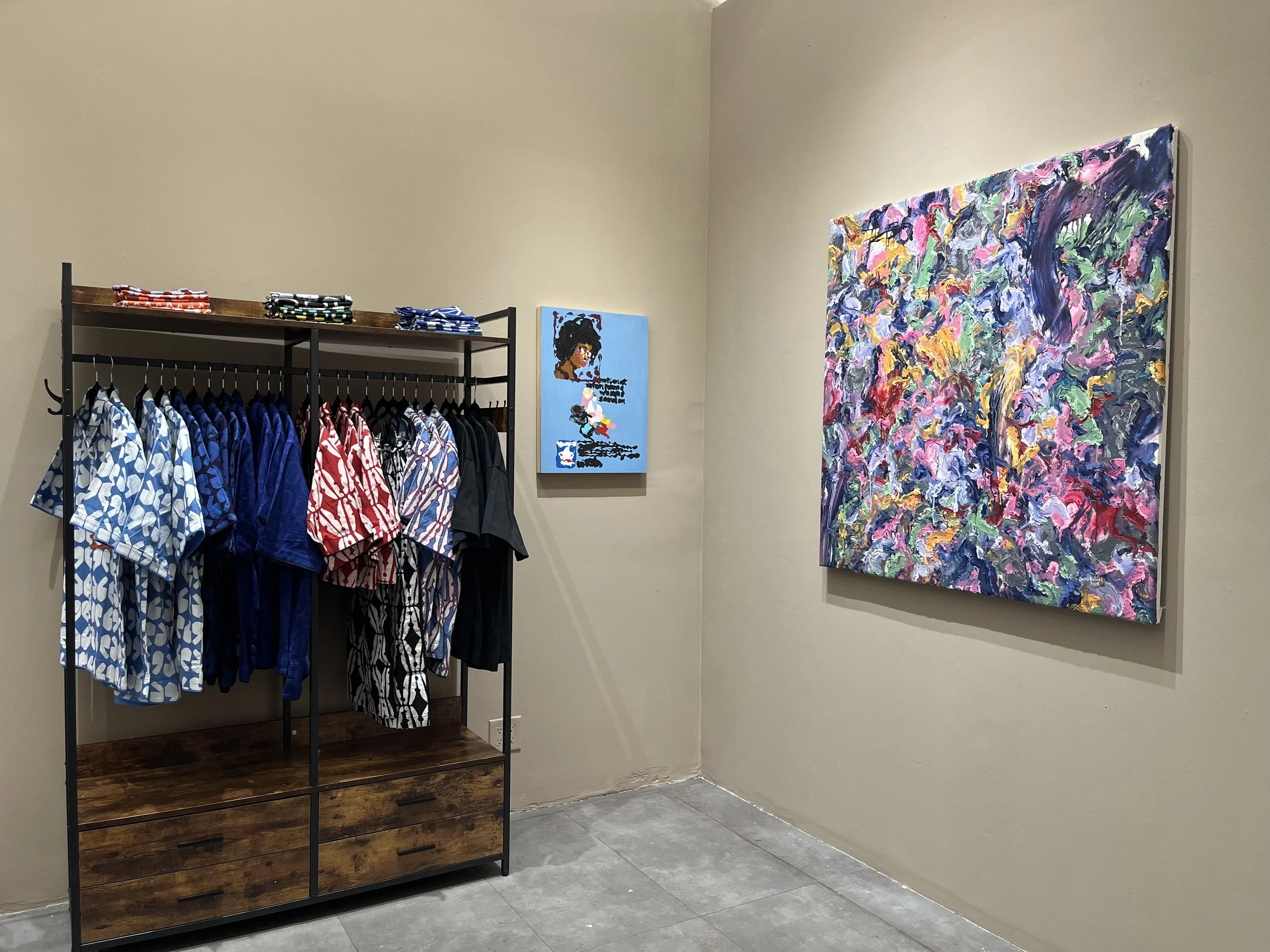
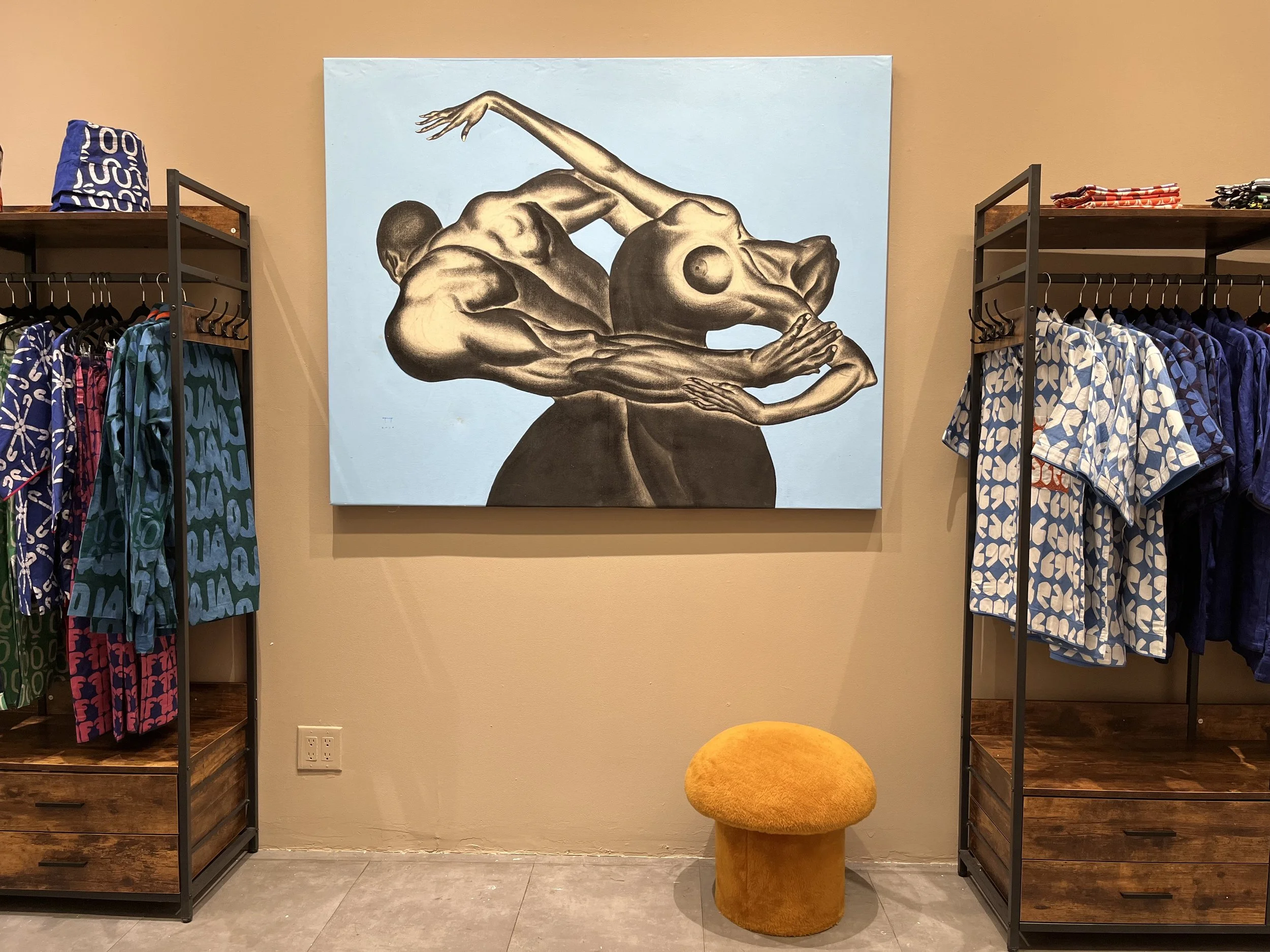
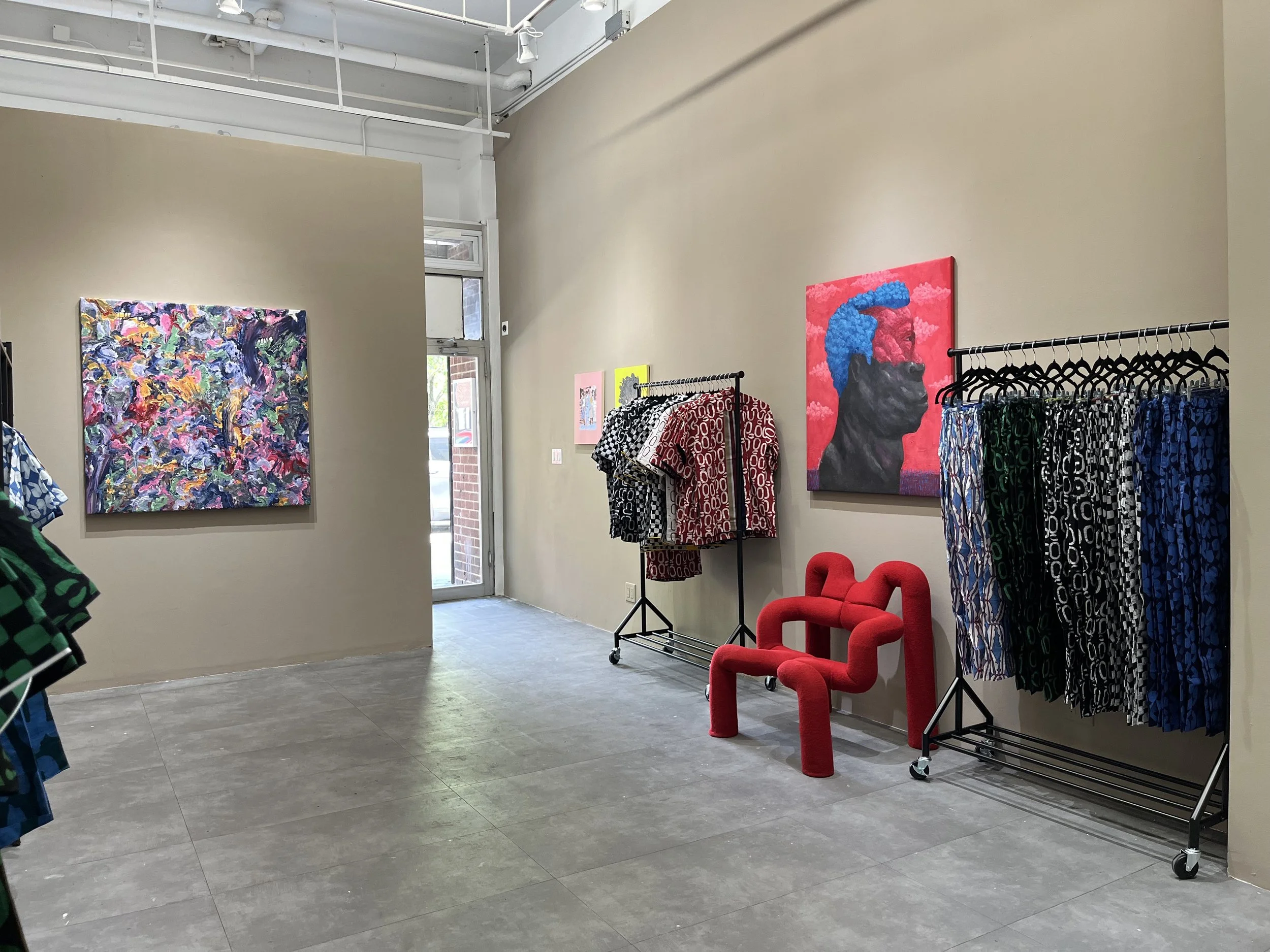
Crossing Cultures: Where Form Meets Form on view May 8 - June 7th with Reception Friday, May 8th 6-8pm 561 Grand Street, NYC 10002.
Crossing Cultures: Where Form Meets Form is a collaborative presentation between Kates-Ferri Projects and O’DA Art bringing into dialogue two distinct yet aligned curatorial positions across New York and Lagos. The exhibition unfolds through a shared interest in how contemporary practices engage the body, material, and image as active sites of cultural production. Culture here is not fixed or inherited, but continuously shaped through movement, exchange, and encounter.
The presentation brings together Soji Adesina, Jonah Bulus, Damien Davis, Turiya Magadlela, Samuel Nnorom, Afeez Onakoya, Dana Robinson & Deborah Segun, whose practices traverse figuration and abstraction, structure and sensation. Across their works, form becomes a language through which identity is constructed and unsettled.
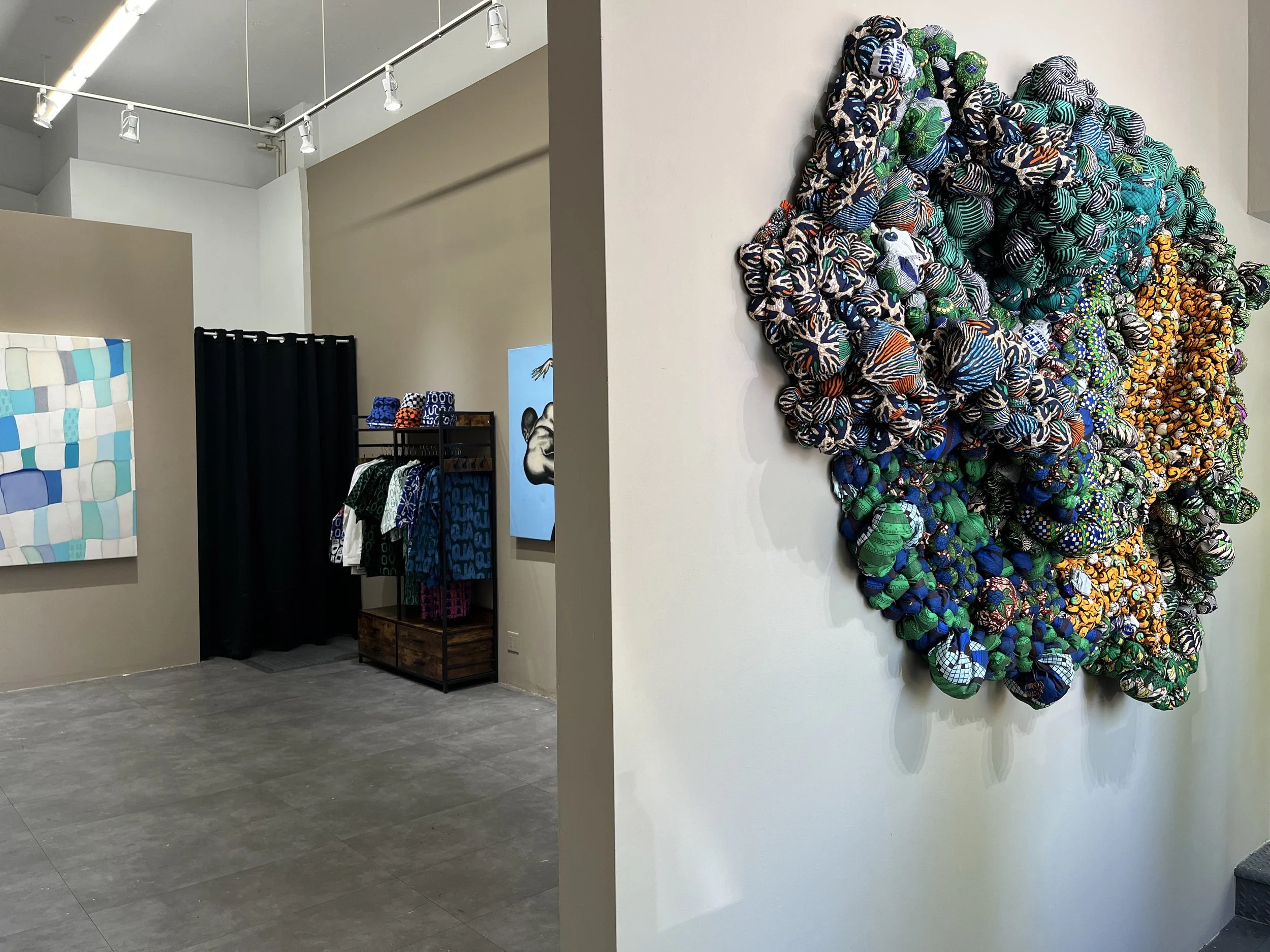
Extending beyond the exhibition, the project runs alongside a month-long presentation of fashion clothing by OBIDA. Here, form shifts into the realm of the worn. Garment becomes a parallel site of construction, shaping how the body is seen, carried, and understood. In this convergence, art and fashion operate not as separate disciplines, but as interconnected practices - each informing the other, each expanding what form can hold.
Exhibition highlights Include:
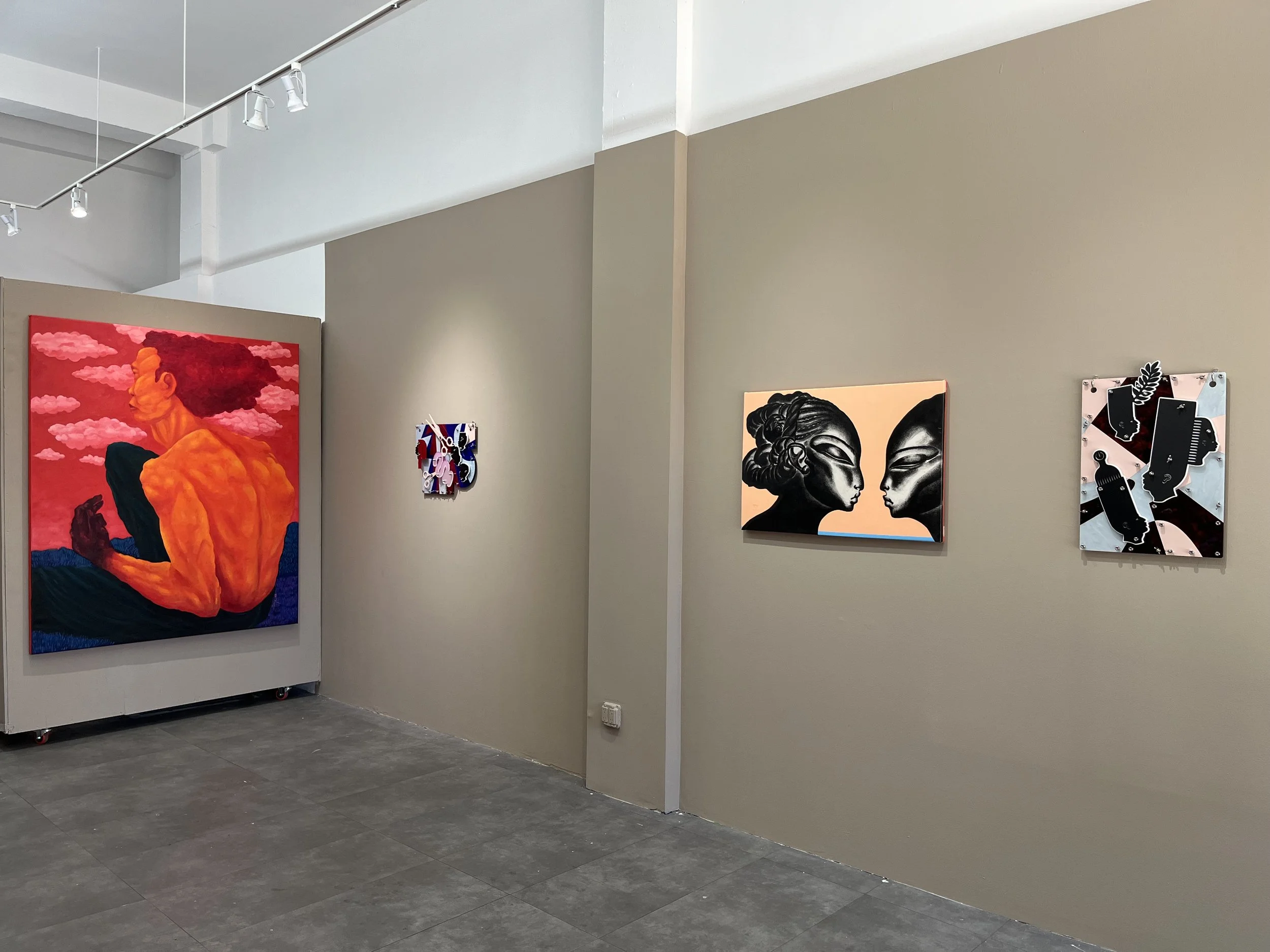
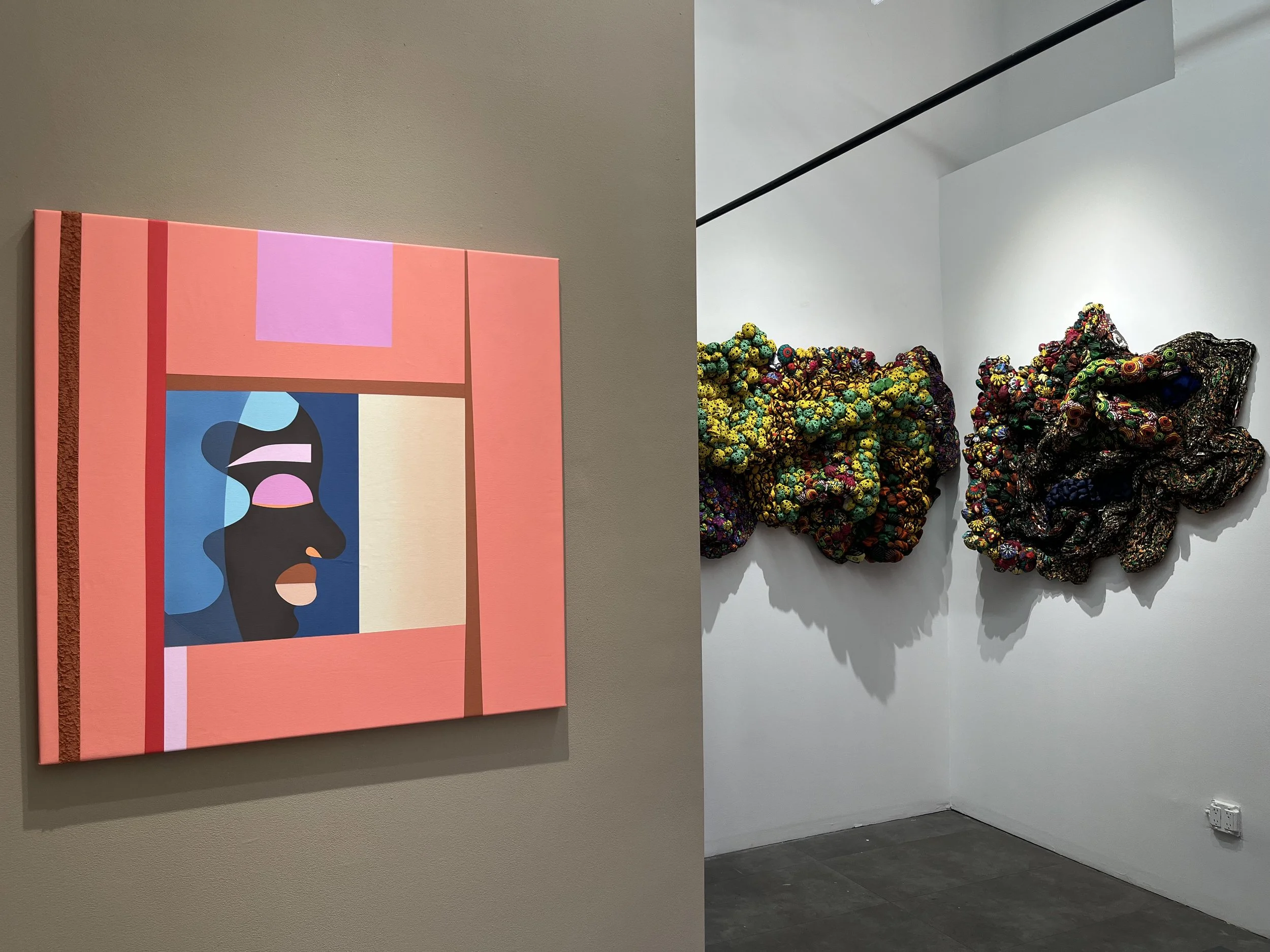
Soji Adesina is a multidisciplinary artist whose practice spans painting, film, and photography. Renowned for his radical experimentation with materials and techniques, he has cultivated a distinctive visual language that challenges traditional representation. His work captivates with vibrant color juxtapositions, often set against the stark presence of a solitary figure, exploring the complexities of identity.
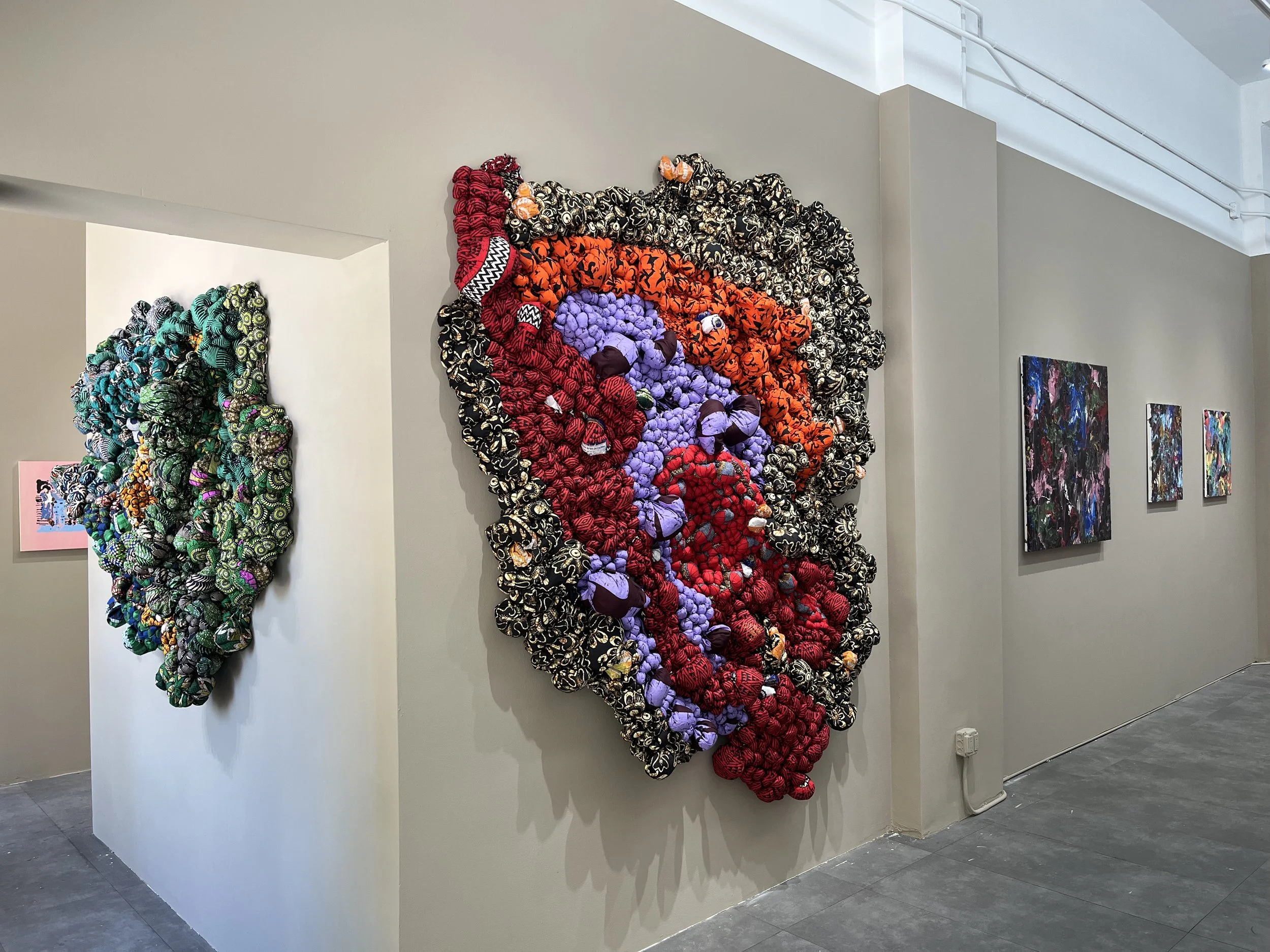
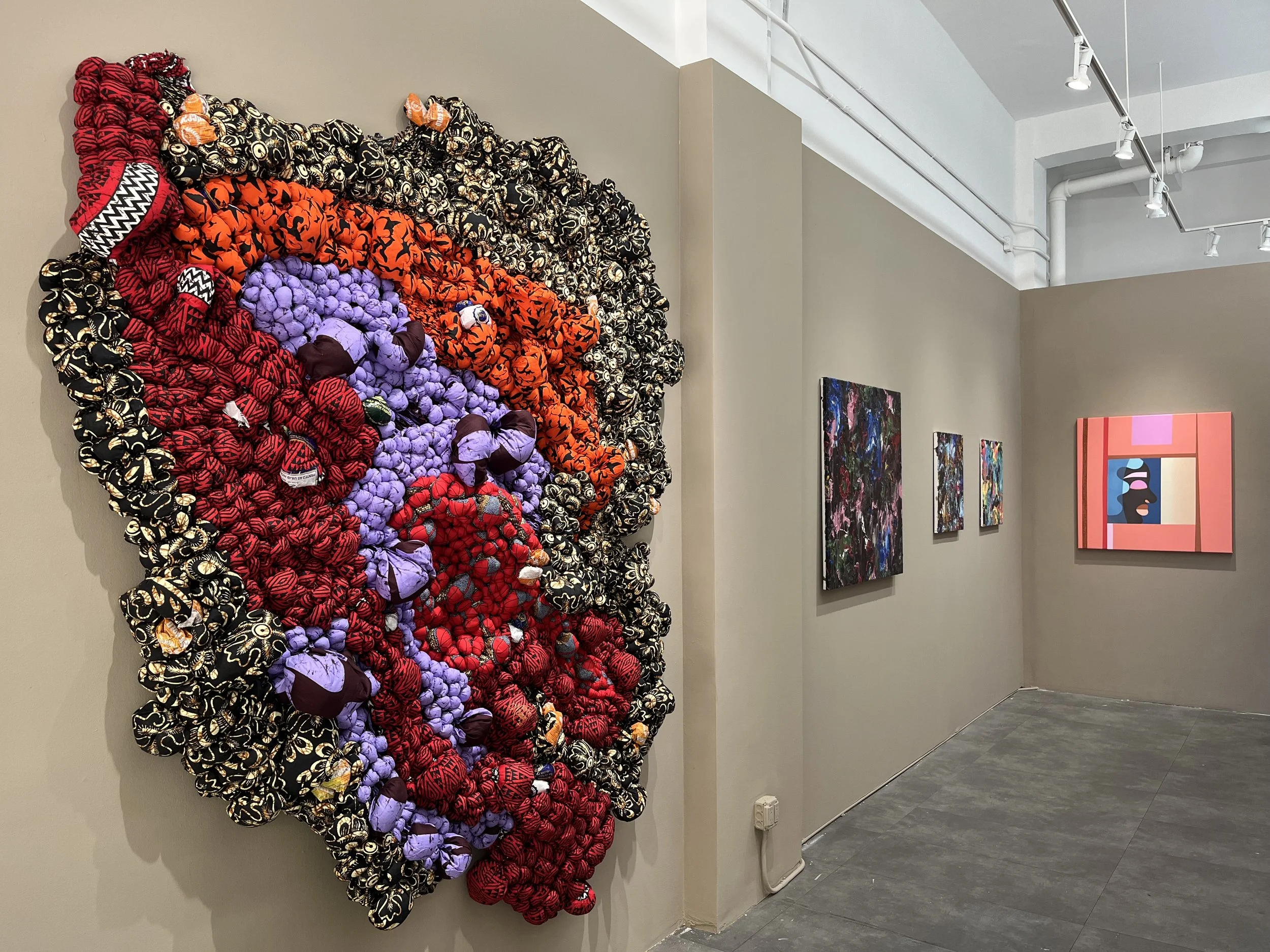
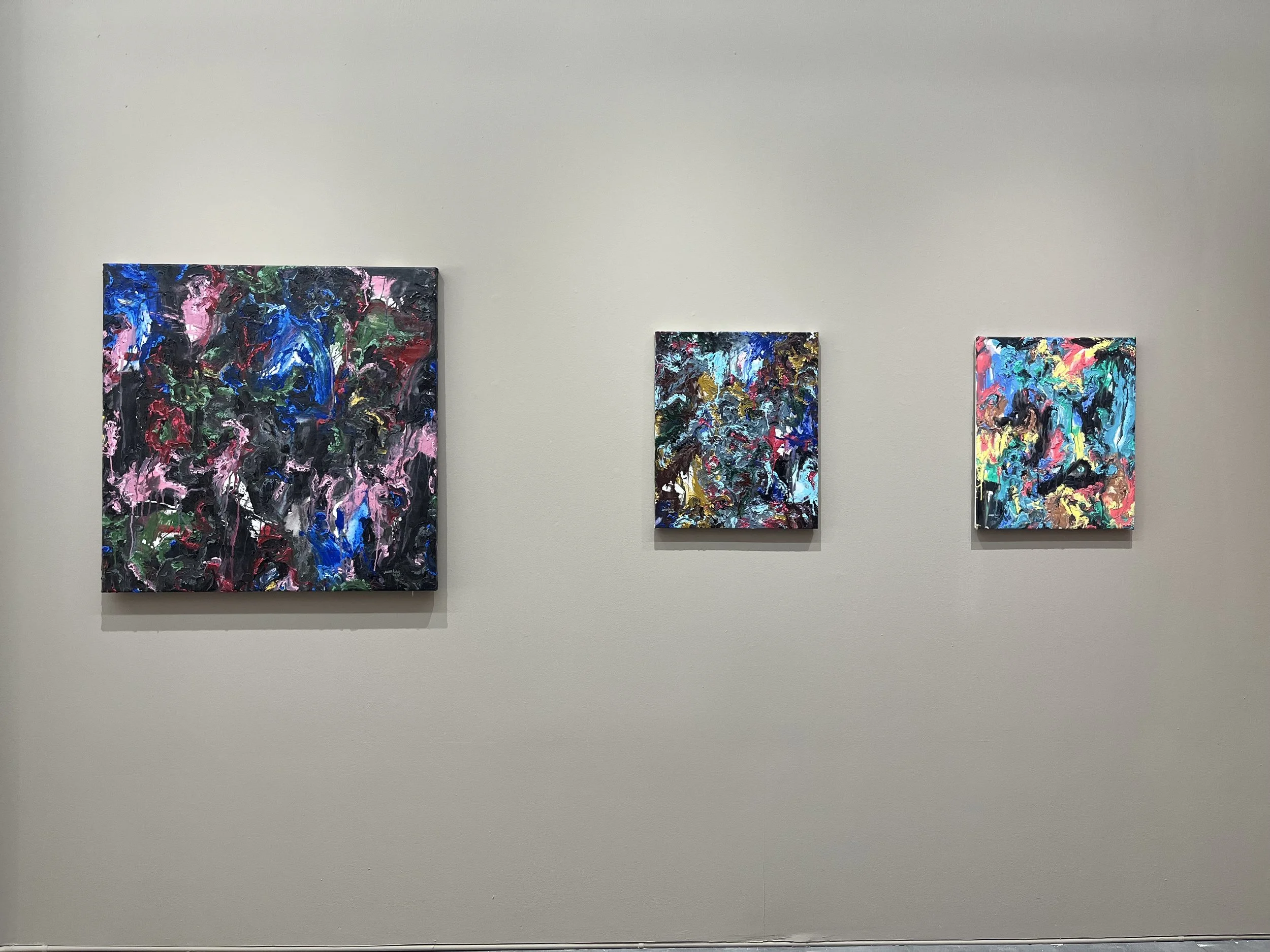
Jonah Bulus’ employment of gestural strokes and drip technique, are metaphors for his psyche, particularly the way it seeks to strike a fine balance between seemingly conflicting elements, such as turmoil and the healing virtues of the natural world.
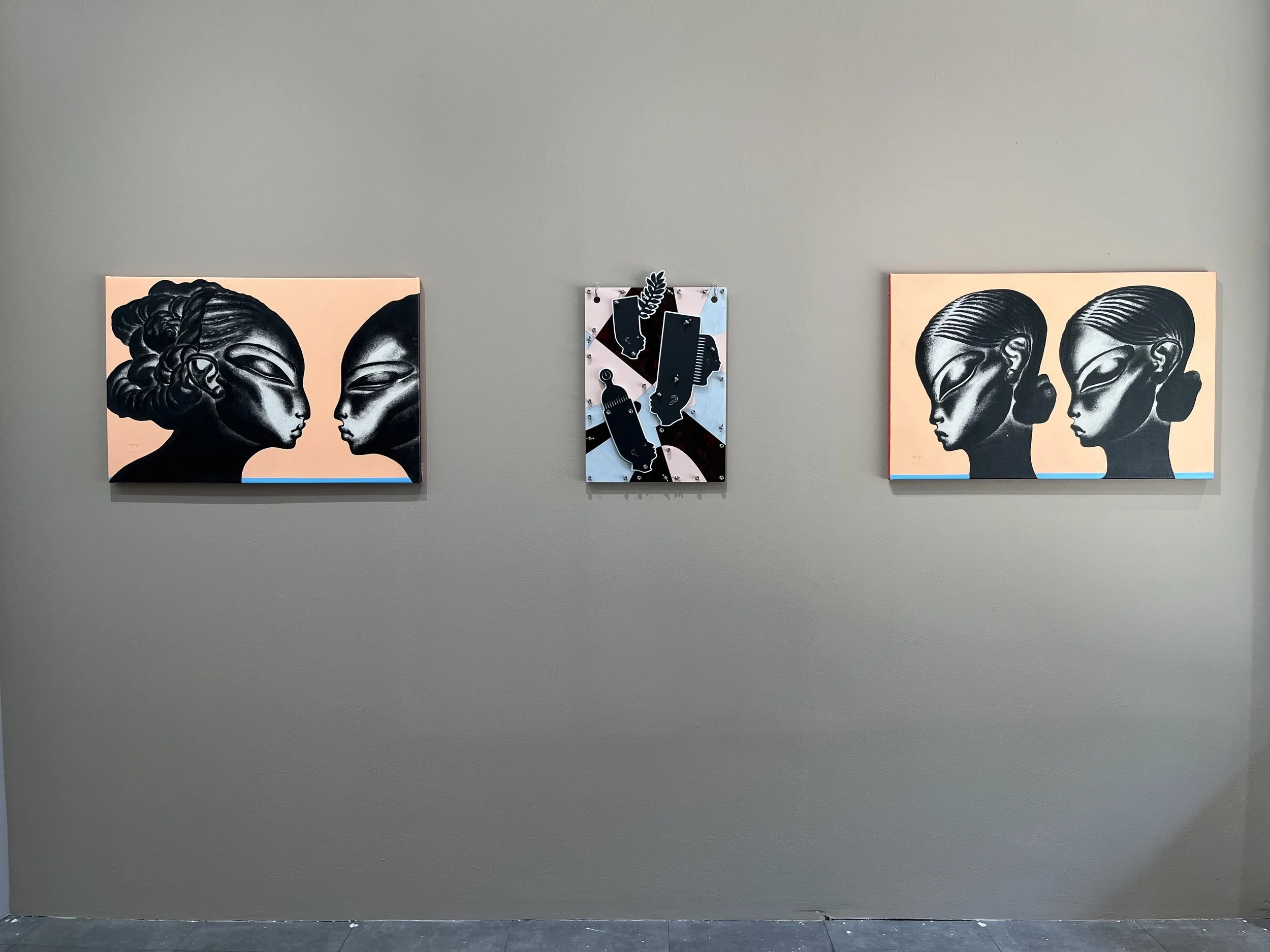
Damien Davis this body of work draws from the barbershop as both a social space and a system of visual logic. Across a series of laser-cut acrylic compositions held together with stainless steel hardware, silhouettes of heads, tools, and gestures are broken apart, repeated, and reorganized. The cut, the part, and the lineup are treated not only as aesthetic outcomes but as procedures, ways of measuring, ordering, and maintaining the body. In this framework, grooming becomes a form of structure, where identity is continuously shaped through small, deliberate adjustments.
Turiya Magadlela Creates monumental textile compositions, woven from nylon pantyhose and materials associated with femininity and containment into celebrations of Black womanhood and resistance in post- apartheid South Africa.
Samuel Nnorom is known for immersive installations constructed from African print textiles. By stitching, bundling, and layering these fabrics into sculptural forms, Nnorom elevates materials often associated with commerce, domesticity, and everyday life into powerful contemporary monuments. His work explores themes of migration, labor, and collective identity, using repetition and accumulation to reflect the density of lived experience. The textiles rich with color, pattern, and cultural symbolism become both surface and structure, evoking the fluid boundaries between body, landscape, and history.
Afeez Onakoya charcoal is more than a medium; it is a tool for profound expression. Every stroke and smudge tells a story of human struggle, resilience, and aspiration. His work is a visual poetry that seeks to define the essence of existence, capturing emotions, dreams, and the complexities of life.
Dana Robinson is a Brooklyn-based artist, unearthing relics of the Black American Dream, and suspending them in moments of joy, power, and potential. As an artist drawn to the spaces between social movements, her work engages with a period of post-civil rights pre-crack epidemic optimism, when social mobility felt attainable, and progression seemed inevitable. Revisiting this time as a source of possibility, Robinson crafts open-ended abstract images that linger in a perpetual state of anticipation. The time “before a decision is made, before the glass breaks, before the confetti hits the ground” thus holding space for an unwritten future to unfold.
Deborah Segun's works can be described as a mix between cubism and abstraction; she takes a playful, purist approach to her work by focusing on form rather than detail through the use of different artistic mediums.