Money Dance: Studio Lenca
The Armory Show NYC Booth P15 Sept 24 - 27, 2026
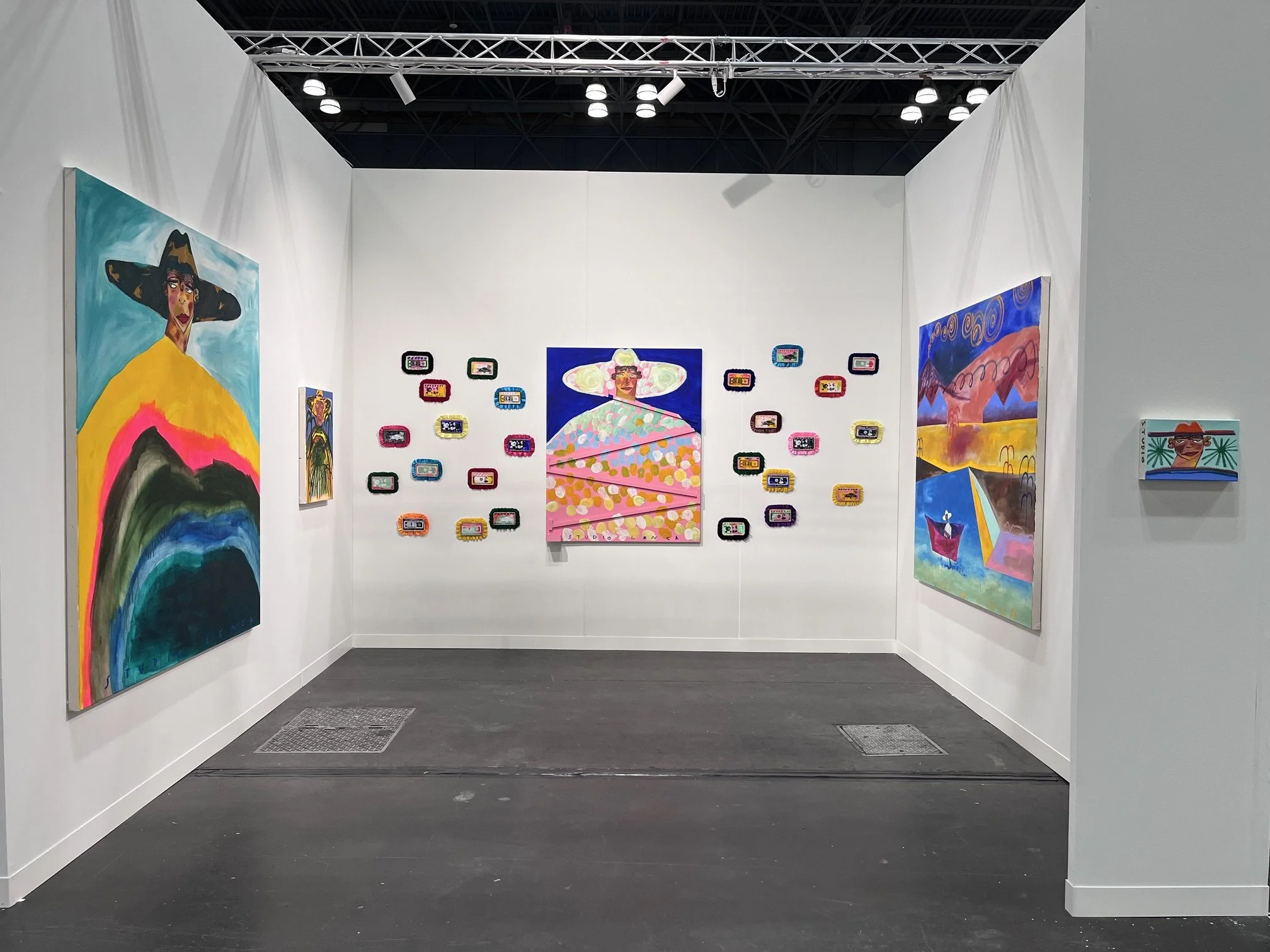
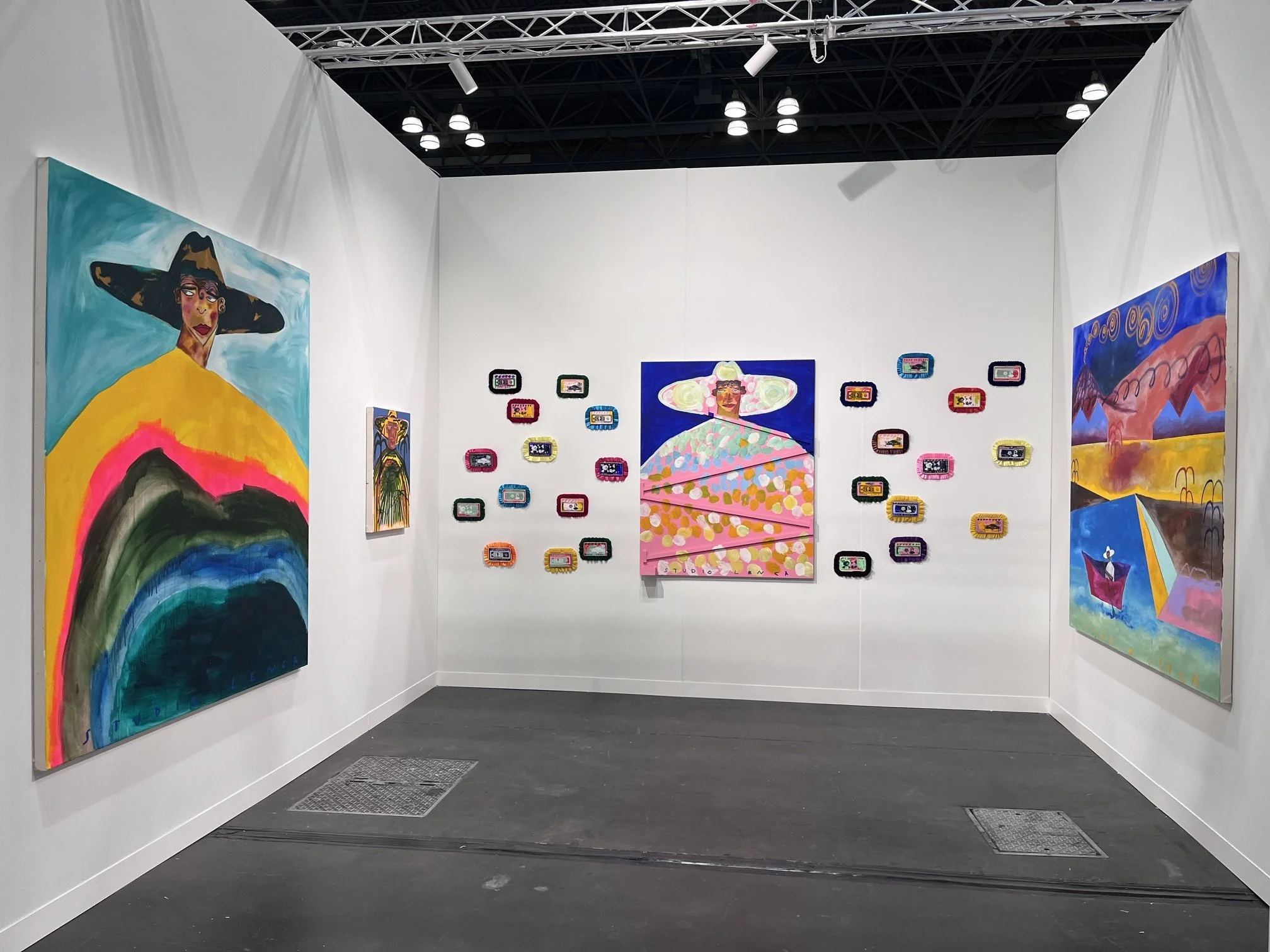
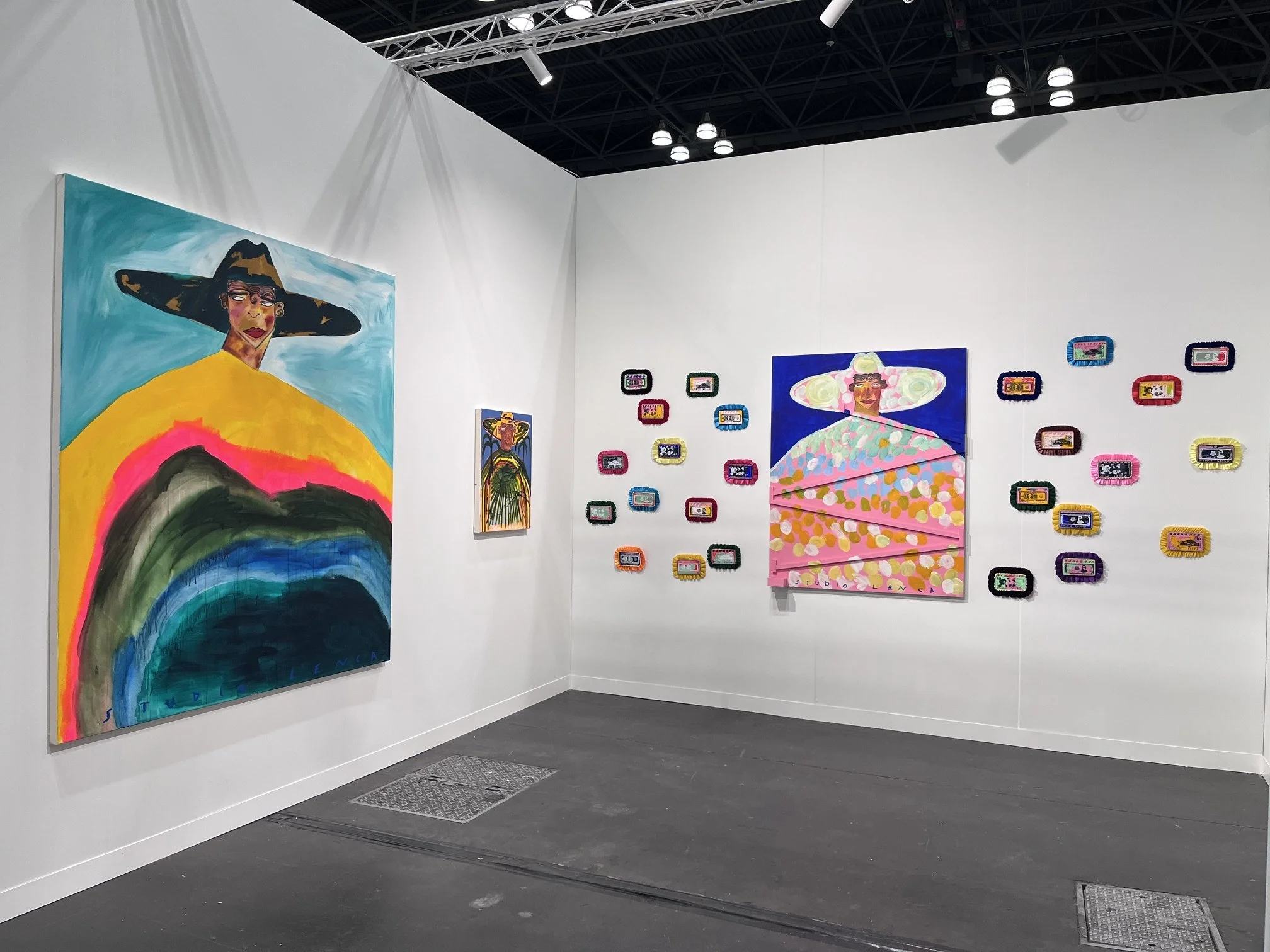
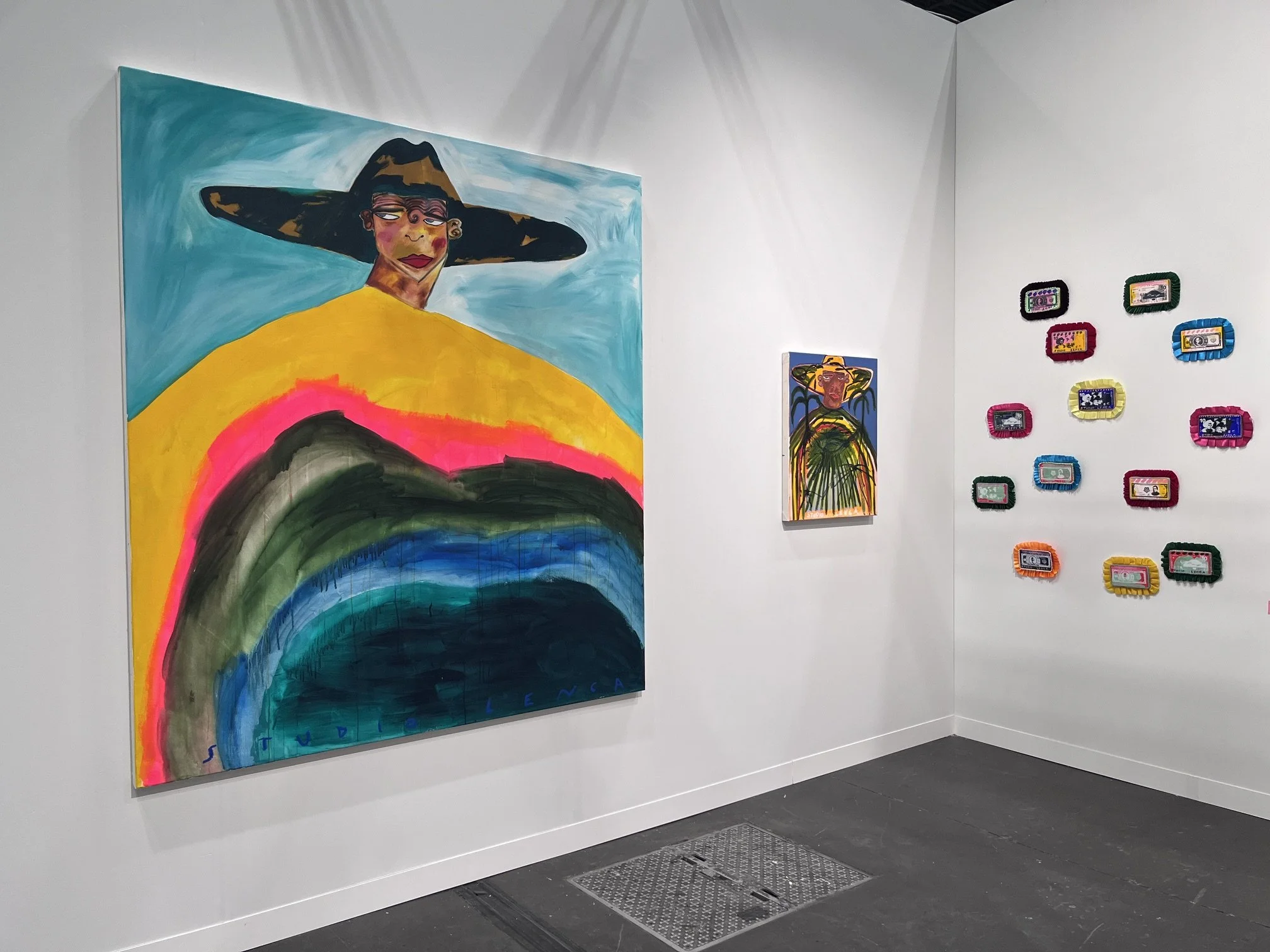
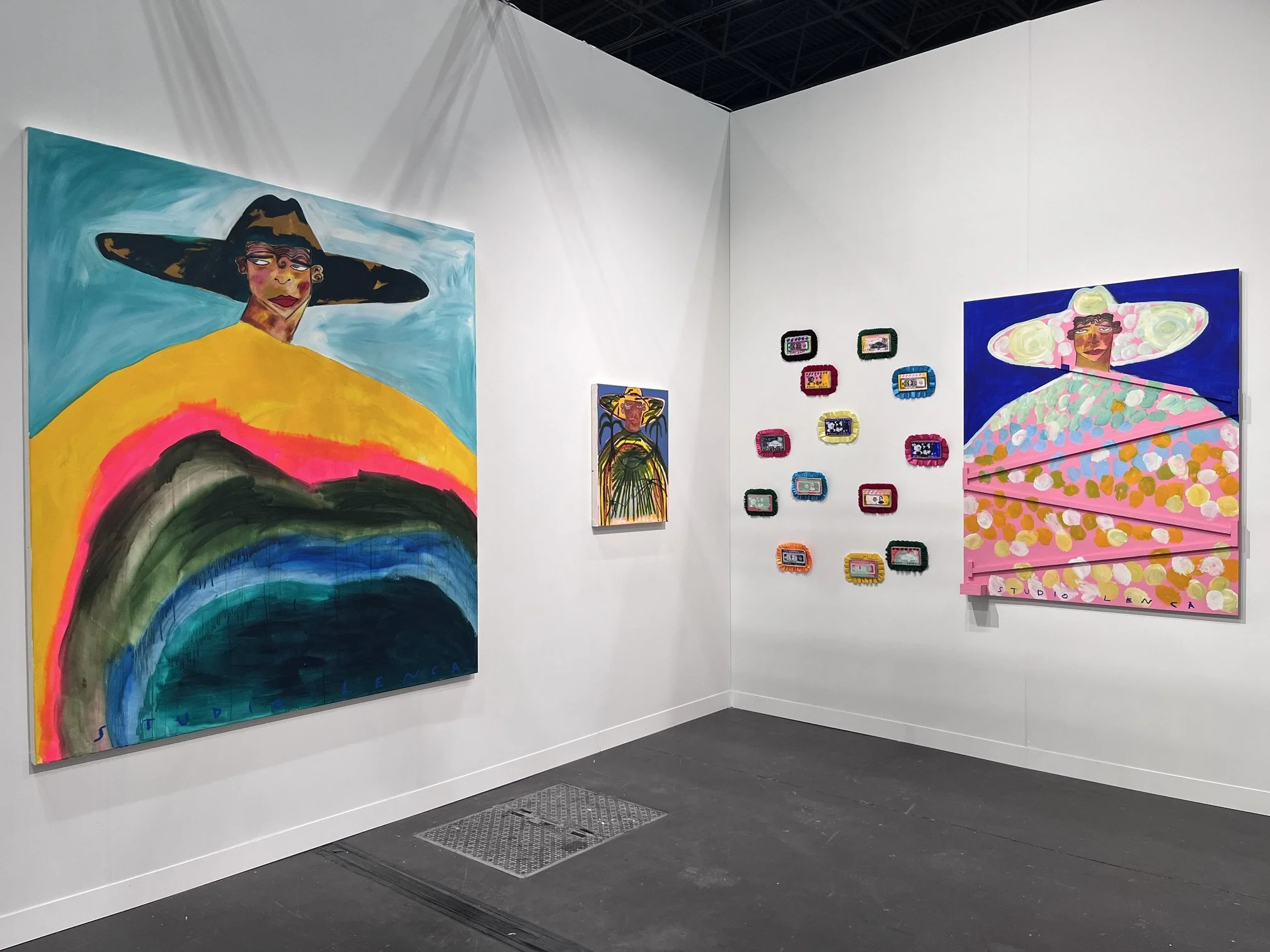
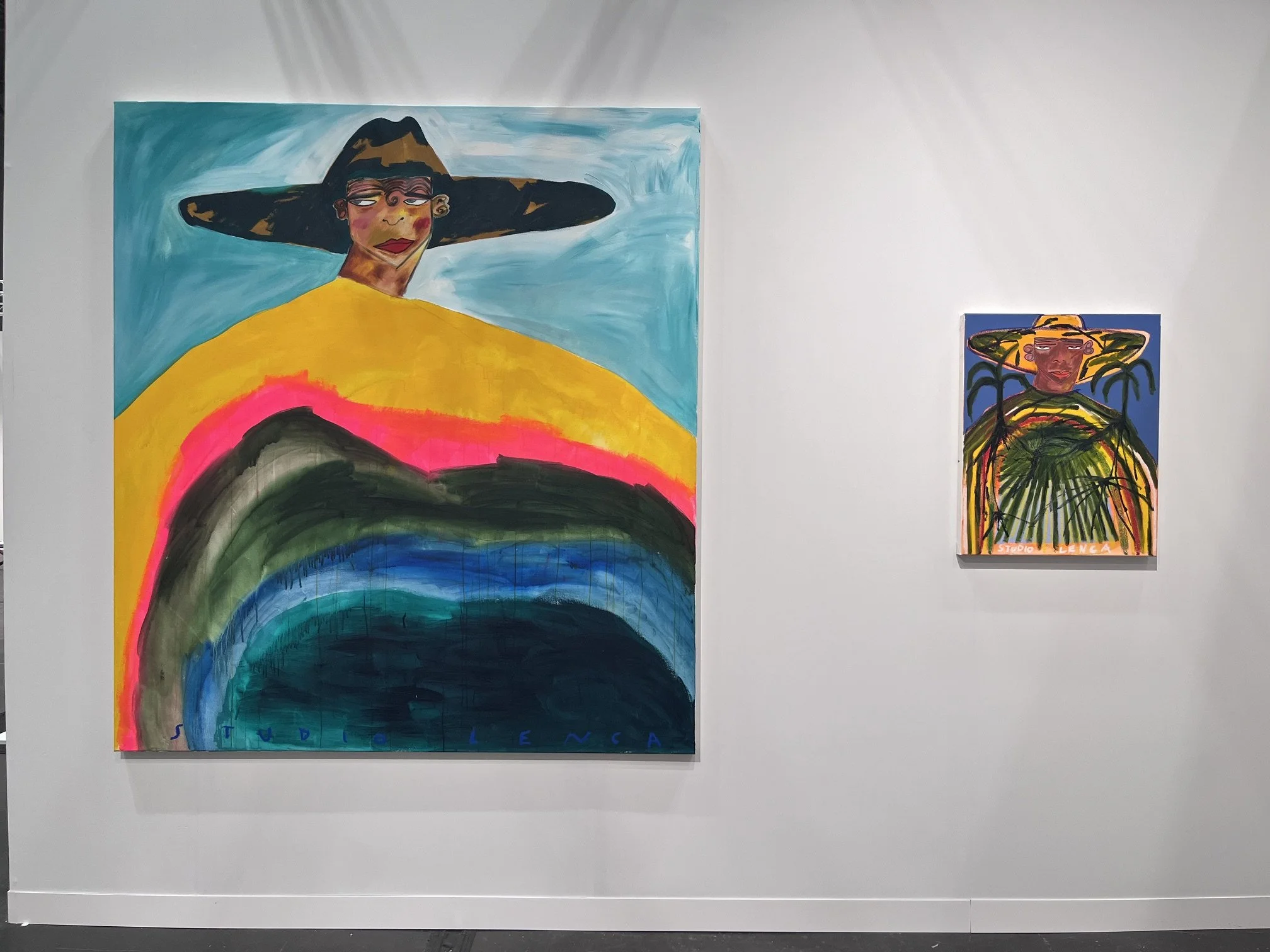
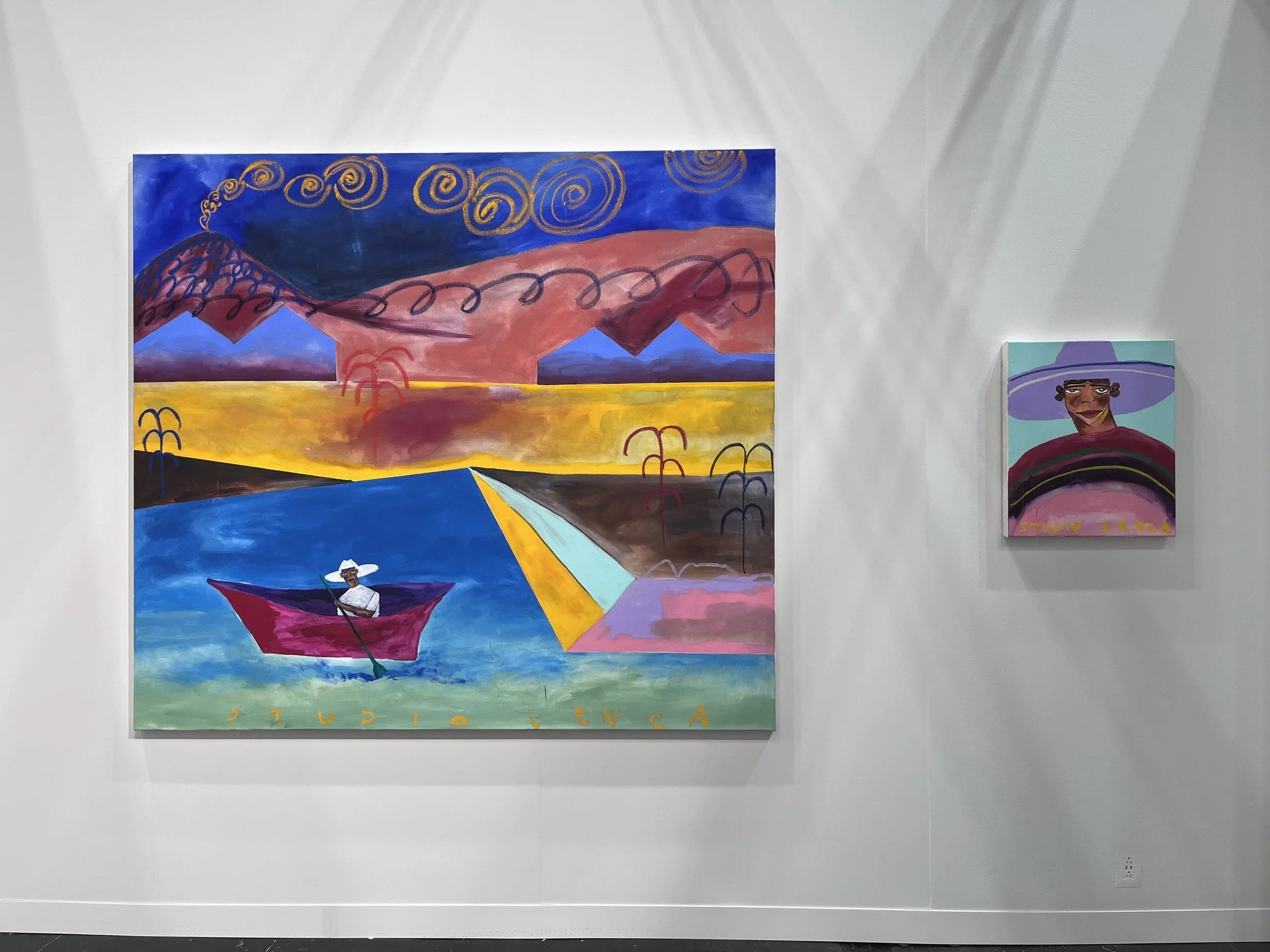
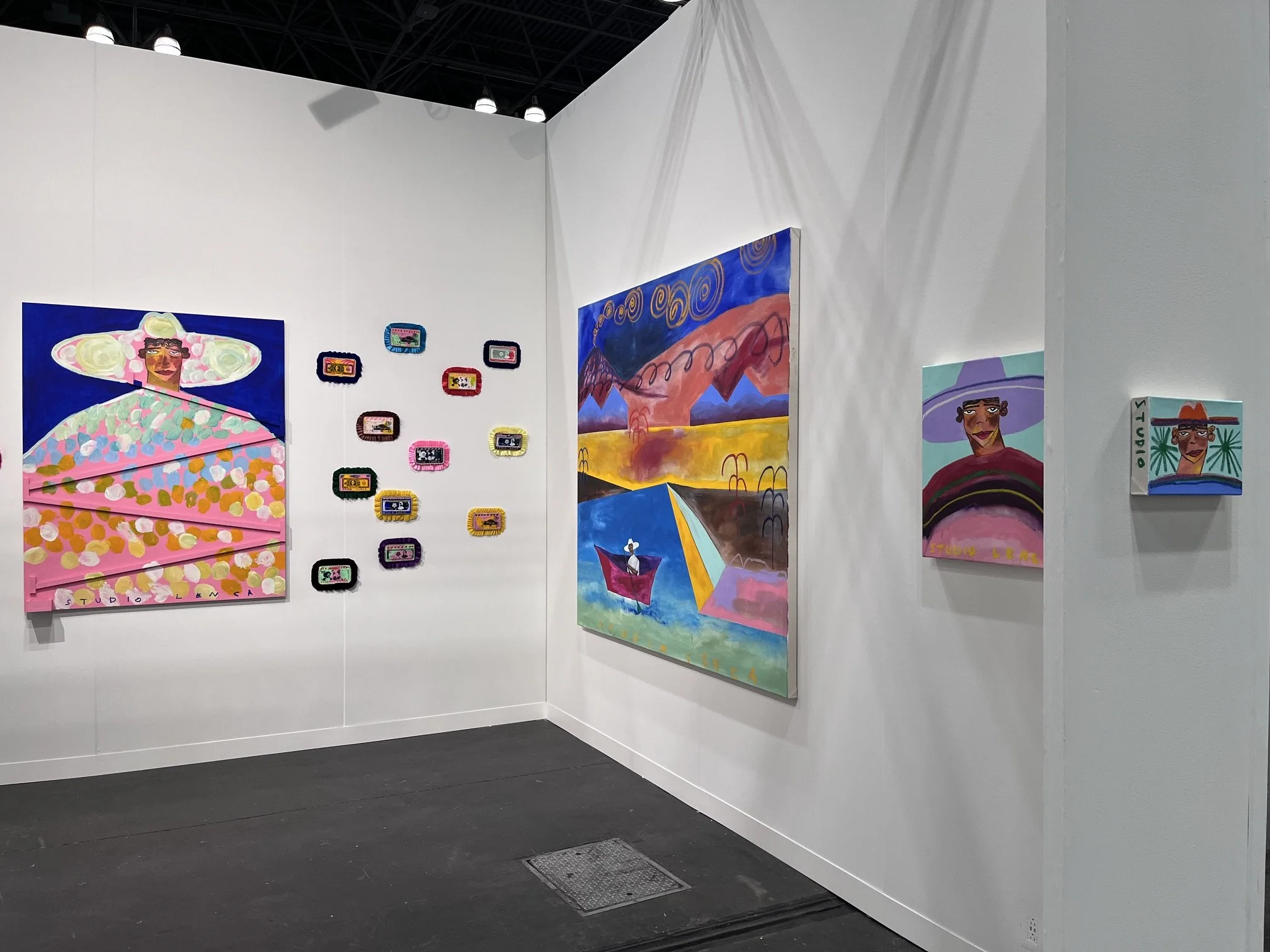
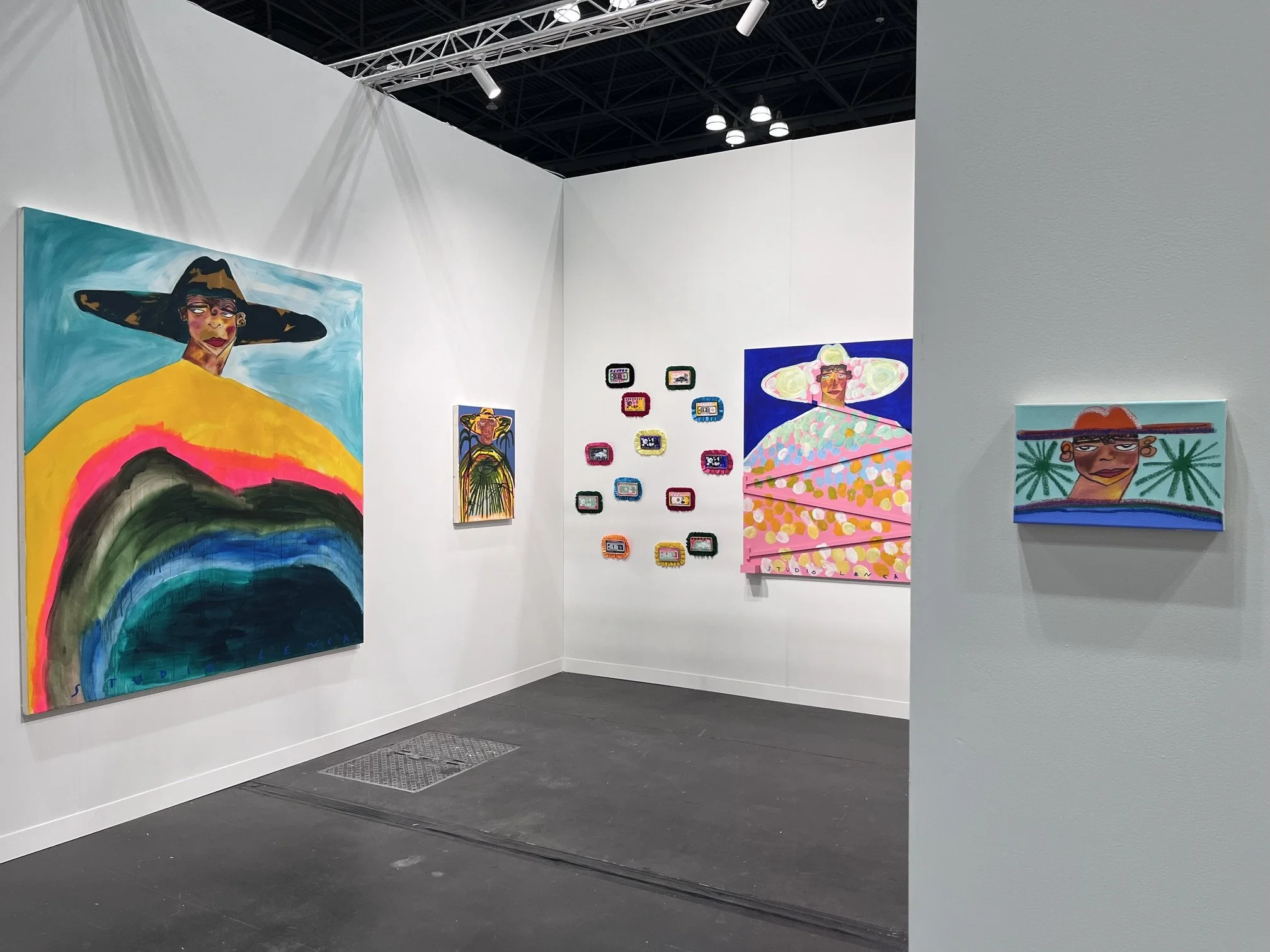
KATES-FERRI PROJECTS Studio Lenca – Armory New York, 2026 – Presents Section Booth #P15
For The Armory Show 2026, KATES-FERRI PROJECTS presents a solo booth with artist Studio Lenca titled “Money Dance.”
‘It’s unclear if these figures are dancing or running.’ – Studio Lenca
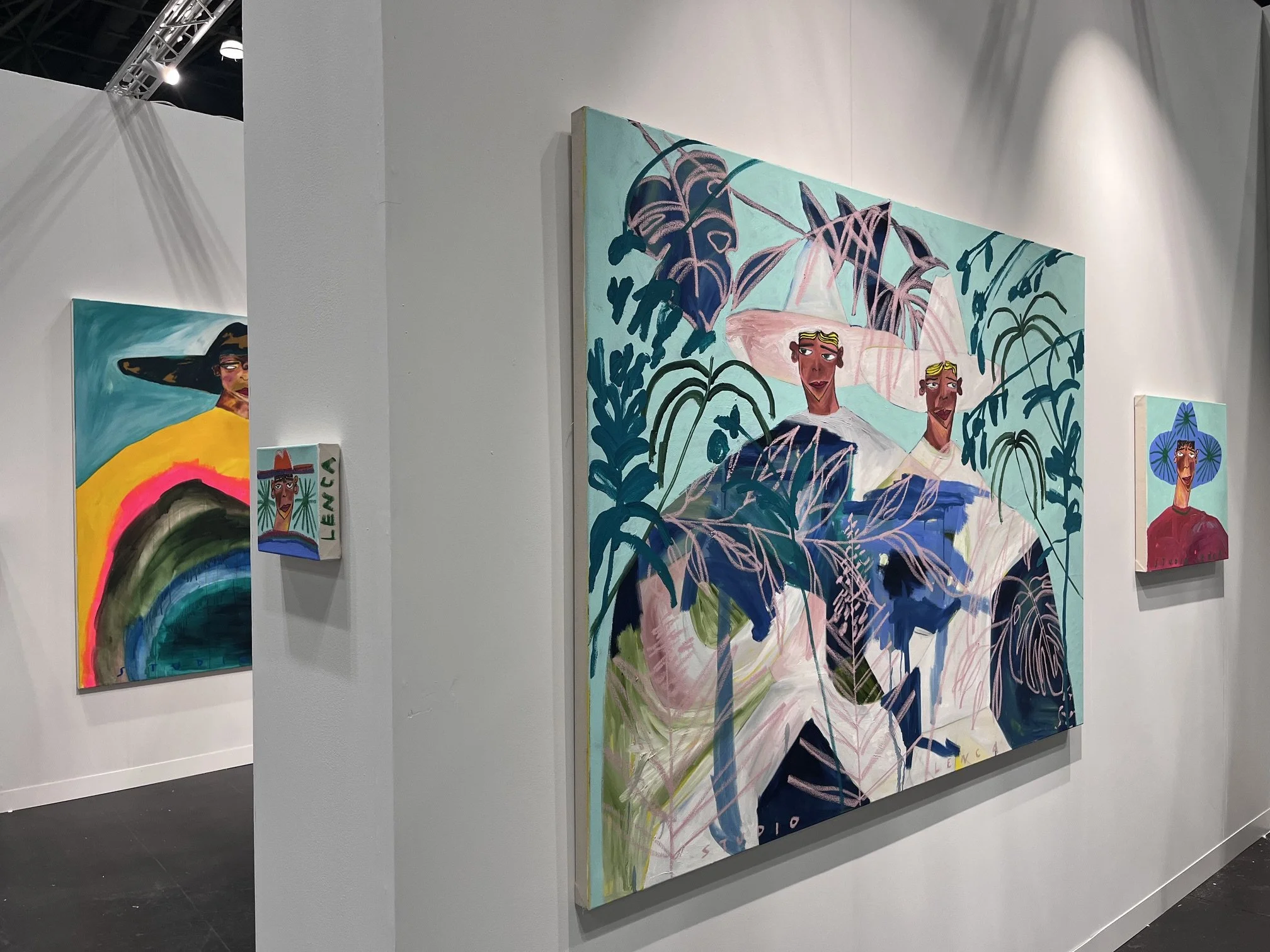
Money Dance is a new body of work by Studio Lenca inspired by El Baile del Billete, a wedding tradition common in the artist’s home country El Salvador, Costa Rica, Cuba, and Mexico, where guests pin money onto the couple in exchange for a dance. In the exhibition, Studio Lenca’s visual framework of Historiante dancers, a Salvadoran tradition shaped by colonial histories, is layered with references to movement and the materiality of currency, diasporic movement and economic precarity across generations and borders.
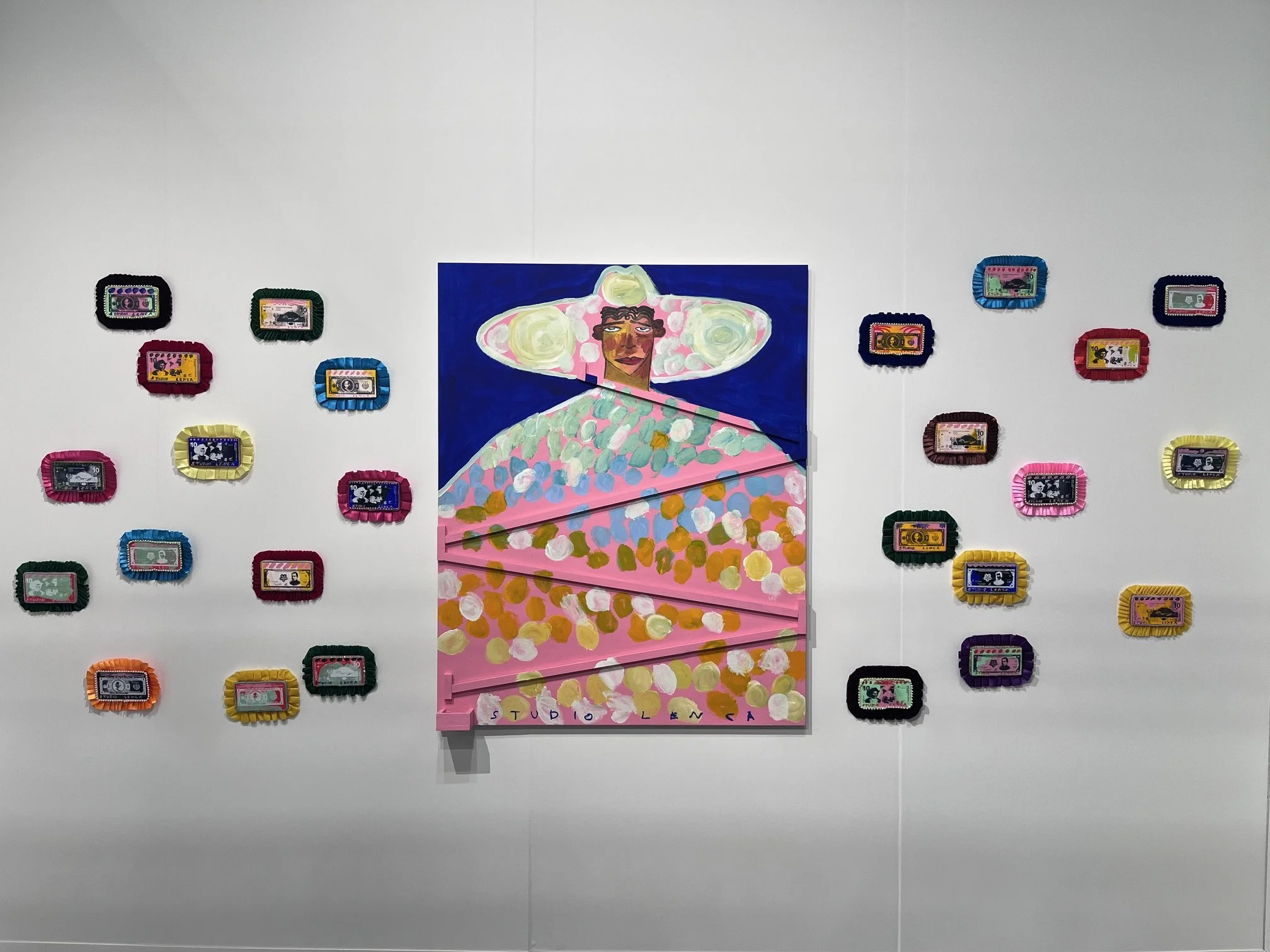
Grounding the exhibition is Money Dance, an interactive kinetic coin-run that invites visitors to take part in their own El Baile del Billete. Visitors deposit quarters into the work, sending them zigzagging through the body of a Studio Lenca Historiante figure. As each coin crosses the figure, it moves with chaotic energy, racing from side to side along a precarious wooden track with a sense of urgency and unpredictability. The construction is deliberately simple, assembled from repurposed wood. Its provisional structure echoes recurring ideas in Studio Lenca’s practice around migration, precarity and making with what is available.
This series of work raises questions around exchange, the body and labor in Central America - how money is earned, passed between people and sent across borders. The unstable journey of the coin becomes a small performance in itself: money is set in motion, passed through the body and momentarily transformed from an object of exchange into something playful.
On view will also be Recuerdos, a series of mixed-media works, each beginning with a screen- printed image of the former currency of El Salvador, the colón, which was replaced by the US dollar in 2001. Using the colón as a visual reference, the works reflect on migration and U.S. influence in El Salvador.
“I remember these notes being pinned to brides during money dances, passed between relatives, and crumpled into our hands to buy aguas frescas on the beach. Like much of what I remember of El Salvador, the colón now feels like folklore - no longer part of everyday life, but still present in stories, gestures, and recollections. When the currency disappeared from circulation, the notes shifted from something we used into something we remember. The colón was also a reminder to all of us of a difficult history. Named after Christopher Columbus and bearing his image, the currency held the legacy of colonisation and the violence that came with it. Its replacement by the US dollar, during a precarious time in our history brought another complex system of power, value, and influence into everyday Salvadoran life.
In Spanish, recuerdos means memories, but also souvenirs: things we carry with us and things we make so that something can be remembered. Some of the first things I ever made were recuerdos for weddings and quinceañeras. Sitting with my mom and tías, we would glue sequins, tie ribbons, fold and stitch, making small objects for guests to take home. We listened to Selena and Hermanos Flores while we worked, talking, and singing together. I wanted to return to this way of making. I made these works alongside my mother and sister, spending hours sewing, folding and glueing together. As we worked, a portal opened up where we could talk about what we remembered, what had changed and what had been passed between us since leaving El Salvador. I wanted the colón to become a recuerdo itself: embellished, layered and remade by hand. What was once a measure of value becomes something that holds memory, carrying intimate family histories alongside larger histories of colonisation, migration and erasure.”
Studio Lenca’s practice challenges dominant narratives surrounding identity, migration, and belonging. His name reflects two central pillars of his work: ‘Studio’ as a space for praxis and community, and ‘Lenca’, referencing an Indigenous people of eastern El Salvador. This connection speaks to the artist’s own displaced and mixed Indigenous identity, which informs his exploration of hybridity, cultural resilience, and diasporic experience.
Drawing from biographical anecdotes and personal reflections, Studio Lenca recalibrates visual cues to reclaim autonomy over a fragmented and often erased history. His work foregrounds joy and belonging as radical acts, offering counter-narratives that centre lived experience and ancestral knowledge.
Studio Lenca’s work is held in significant collections, including the Deutsche Bank UK Art Collection, the Parrish Art Museum, the Rubell Museum, the Pérez Art Museum, and the Leslie-Lohman Museum. Most recently, the artist took part in the MoMA PS1 group exhibition Education as Resistance and was commissioned by the Reina Sofía Museum to create a new socially engaged work.
Available Art: Studio Lenca
YouTube video link